As a steel pipe supplier, I get this question all the time from contractors, engineers, project managers, and even small business owners who just need pipes for a specific job: What are the common sizes of steel pipes? It’s not a one-size-fits-all answer—steel pipes come in a range of sizes tailored to every possible use, from a tiny water line under your kitchen sink to a massive pipeline that carries oil hundreds of miles. Over the 12 years I’ve been in this business, I’ve worked with customers across industries, and the biggest mistake people make is guessing at size, which leads to delays, extra costs, and even safety issues. Today, I’m breaking down the common sizes, why they matter, and how to pick the right one for your project. Steel Pipe
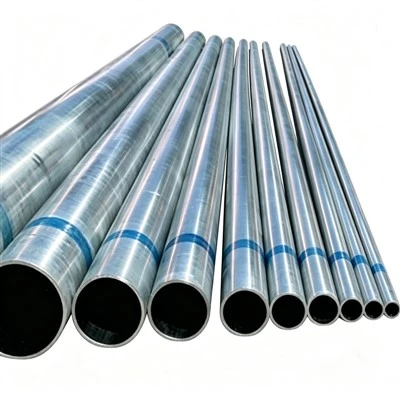
First, it’s important to note that steel pipe sizes aren’t just measured by diameter—there’s also wall thickness, which is called “schedule.” Schedule numbers (like Schedule 40, Schedule 80) tell you how thick the pipe wall is; the higher the number, the thicker the wall, which means more pressure resistance and durability. That’s a key detail most first-time buyers miss. Sizing is standardized in most countries, so whether you’re in the U.S., Europe, or a project in Southeast Asia, the standard sizes are pretty consistent for common applications, which makes sourcing reliable pipes a lot easier.
Let’s start with the smallest common sizes, which are usually called “small-bore pipes” or “tubing” in some circles. These are the pipes you see in plumbing, HVAC, and small industrial systems. The most common small sizes range from 1/8 inch to 2 inches in nominal pipe size (NPS)—that’s the standard measurement used for steel pipes in the U.S. A 1/8-inch NPS pipe is tiny, with an outer diameter of 0.405 inches, perfect for things like gas lines in residential water heaters or small air pressure lines in machine shops. Next up is 1/4 inch (outer diameter 0.540 inches), often used for small plumbing fixtures, and 3/8 inch (0.675 inches), common in refrigeration systems and some automotive parts.
The most popular small size by far is 1/2 inch NPS, with an outer diameter of 0.840 inches. This is the go-to for residential water supply lines—most homes use 1/2 inch pipe for cold water lines that run to sinks, toilets, and appliances like washing machines. Schedule 40 is the standard for 1/2 inch pipe; it’s not too thick, so it’s easy to cut and thread, but sturdy enough for residential pressure levels. If you need a bit more strength for higher pressure, 1/2 inch Schedule 80 is also available, but most homeowners don’t need it. Moving up, 3/4 inch NPS (outer diameter 1.050 inches) is used for main water lines in some homes, especially if the home is larger or has multiple bathrooms, and 1 inch NPS (1.315 inches) is common for both residential and light commercial plumbing.
Now, the mid-range sizes, from 2 inches to 12 inches NPS, are the workhorses of most commercial and industrial projects. These are the sizes you’ll see in building structural systems, larger plumbing lines, fire sprinkler systems, and small process piping in factories. Starting at 2 inches NPS (outer diameter 2.375 inches), this size is often used for main water lines in office buildings, fire mains, and some gas distribution lines. Schedule 40 2-inch pipe is the most common here, but Schedule 80 is frequently used for fire systems because they need to hold up to high pressure if a sprinkler activates. For larger mid-range needs, 3 inches NPS (3.500 inches) is used for main supply lines in mid-sized commercial buildings, 4 inches NPS (4.500 inches) is a staple for municipal water lines and large commercial plumbing, and 6 inches NPS (6.625 inches) is often used for sewer lines and large process piping in industrial facilities.
A lot of people don’t realize that for sizes above 12 inches, the nominal pipe size gets a bit less precise, but the outer diameter stays standard. For example, 14 inches NPS has an outer diameter of 14.00 inches, 16 inches is 16.00 inches, and so on, all the way up to massive sizes like 48 inches or larger, which are used for long-distance pipelines. The mid-range sizes are also used for structural steel pipes—like the ones used to build handrails, support frames for machinery, or temporary fencing for construction sites. At my warehouse, 3-inch and 4-inch Schedule 40 pipes fly off the shelves for construction projects because they’re lightweight enough to handle easily but strong enough to support significant weight.
The large sizes, anything above 12 inches, are for heavy-duty, high-capacity applications. These include oil and gas pipelines, municipal water transmission lines, structural support for large buildings or bridges, and industrial process piping that moves large volumes of materials. The most common large sizes here are 12 inches, 16 inches, 20 inches, and 24 inches NPS. For example, a typical municipal water main in a mid-sized city might use 16-inch or 20-inch pipe to carry water from a treatment plant to neighborhoods. Oil companies often use 24-inch or 36-inch pipes for crude oil pipelines, and these almost always have thicker walls—Schedule 40 or higher, sometimes even Schedule 120 for extremely high-pressure applications. These large pipes are usually welded together on-site rather than threaded, since they’re too big and heavy to thread easily.
It’s worth mentioning that there are also special sizes used for specific industries, but they’re less common. For example, in the automotive industry, you might find steel pipe in sizes as small as 1/16 inch for exhaust components, and in the agriculture industry, you’ll often see 8-inch or 10-inch pipe for irrigation lines. Some European standards use different sizing (like DN, or nominal diameter, instead of NPS), but the common practical sizes still align closely with what we use here in the U.S., so you don’t have to worry about mixing them up for most projects.
One common question I get is: How do I know which size is right for me? It comes down to two main factors: flow requirement and pressure. If you’re installing a water line that needs to carry 50 gallons per minute, a 1/2 inch pipe won’t work—you’ll need at least a 3/4 inch or 1 inch pipe to avoid slow water flow. For pressure, if you’re working with natural gas, which operates at higher pressure than residential water, you might need a thicker wall (higher schedule) even if the diameter is the same. Also, local building codes matter a lot—many cities have specific requirements for pipe sizes in plumbing, fire systems, and gas lines, so it’s always a good idea to check with a local inspector or a licensed contractor before making a final decision.
Over the years, I’ve seen customers waste money buying pipes that are too big, which adds unnecessary cost for material and installation, or too small, which leads to flow issues, leaks, and even system failures. Last year, a small construction company came to me in a panic—they had bought 1/2 inch pipe for a commercial building’s fire sprinkler system, and the local fire marshal rejected it because it was too small to handle the required flow. We rushed them Schedule 80 1-inch pipe, but they had to pay extra for overtime to rethread all the fittings, which cost them thousands of dollars. That’s why taking the time to get the size right upfront is so important.
If you’re working on a project and aren’t sure which size you need, don’t guess—reach out. As a steel pipe supplier, I’ve worked with every type of project, from a single residential water heater line to a 10-mile municipal pipeline. I can help you calculate the right diameter and schedule based on your flow, pressure, and application, and I only stock the common sizes you’ll need, so you won’t have to wait weeks for a special order. Whether you’re a homeowner doing a small bathroom remodel, a contractor working on a new office building, or an engineer planning an industrial pipeline, I can provide the right steel pipes at competitive prices, with reliable delivery to keep your project on track.

If you’re ready to get started, or just have questions about sizing, feel free to connect with our team to discuss your specific project needs. We’re here to help you pick the right pipes, avoid costly mistakes, and keep your project running smoothly.
Steel Pipe References
- Welding Research Council. Steel Pipe Sizing and Specification Standards.
- American National Standards Institute (ANSI). B36.10M: Welded and Seamless Wrought Steel Pipe.
- National Fire Protection Association (NFPA). 13: Standard for the Installation of Sprinkler Systems.
- American Water Works Association (AWWA). C200: Steel Pipe, Fabricated, Factory Coated.
- Machinery’s Handbook. Nominal Pipe Size and Schedule Designations.
Shenzhen Gangyuanlong Building Materials Co., Ltd.
As one of the most professional steel pipe manufacturers and suppliers in China, we also support customized service with low price. Please feel free to wholesale premium steel pipe in stock here from our factory. Also, quotation is available.
Address: No. 10-1, Jinlong 4th Road, Baolong Community, Longgang Subdistrict, Longgang District, Shenzhen
E-mail: szgylco@gmail.com
WebSite: https://www.szgylco.com/
