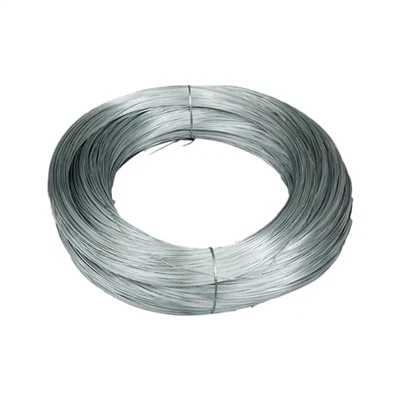
As a seasoned supplier in the spring steel strip industry, I’ve witnessed firsthand the intricate process of manufacturing this essential material. Spring steel strip is a versatile product widely used in various industries, from automotive to electronics, due to its excellent elasticity, strength, and durability. In this blog post, I’ll take you through the step-by-step process of how spring steel strip is manufactured, from the raw materials to the final product. Spring Steel Strip
Raw Materials Selection
The journey of spring steel strip begins with the careful selection of raw materials. The primary component of spring steel is iron, which is combined with various alloying elements to enhance its properties. Common alloying elements include carbon, manganese, silicon, chromium, and vanadium. The specific composition of the alloy depends on the desired properties of the final product, such as strength, hardness, and corrosion resistance.
At our company, we source high-quality raw materials from trusted suppliers to ensure the consistency and quality of our spring steel strip. We conduct rigorous quality control checks on all incoming materials to verify their chemical composition and physical properties. This helps us maintain strict quality standards and ensure that our products meet or exceed the expectations of our customers.
Melting and Casting
Once the raw materials have been selected, they are melted in a furnace to form a homogeneous molten steel. The melting process is carefully controlled to ensure that the alloying elements are evenly distributed throughout the molten steel. This helps to achieve the desired properties of the final product.
There are several types of furnaces used in the melting process, including electric arc furnaces (EAFs) and basic oxygen furnaces (BOFs). EAFs are commonly used for melting scrap steel, while BOFs are used for melting iron ore and other raw materials. At our company, we use a combination of EAFs and BOFs to ensure the efficient and cost-effective production of spring steel.
After the molten steel has been melted, it is cast into large ingots or continuous slabs. The casting process involves pouring the molten steel into a mold and allowing it to solidify. The shape and size of the ingots or slabs depend on the subsequent processing steps and the requirements of the final product.
Hot Rolling
The next step in the manufacturing process is hot rolling. Hot rolling involves passing the steel ingots or slabs through a series of rolling mills at high temperatures. The high temperature makes the steel more malleable and easier to shape. The rolling mills reduce the thickness of the steel and increase its length, resulting in a long, continuous strip of steel.
During the hot rolling process, the steel is subjected to significant mechanical forces. This helps to refine the grain structure of the steel and improve its mechanical properties. The hot-rolled steel strip is then cooled to room temperature, which further enhances its strength and hardness.
Cold Rolling
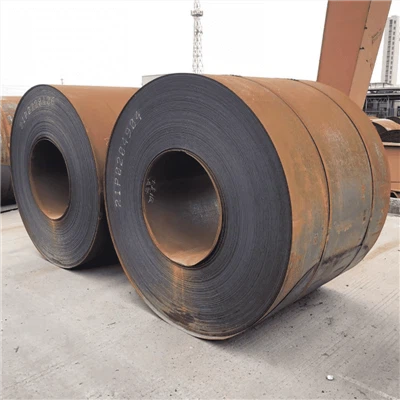
After hot rolling, the steel strip undergoes cold rolling. Cold rolling is similar to hot rolling, but it is performed at room temperature. Cold rolling reduces the thickness of the steel strip even further and improves its surface finish and dimensional accuracy. The cold-rolled steel strip has a smoother surface and better mechanical properties than the hot-rolled steel strip.
During cold rolling, the steel strip is passed through a series of rolling mills with decreasing roll diameters. This gradually reduces the thickness of the steel strip and increases its length. The cold-rolling process also imparts a certain amount of work hardening to the steel, which further enhances its strength and hardness.
Heat Treatment
Heat treatment is a critical step in the manufacturing process of spring steel strip. Heat treatment involves heating the steel strip to a specific temperature and then cooling it at a controlled rate. This process helps to improve the mechanical properties of the steel, such as strength, hardness, and elasticity.
There are several types of heat treatment processes used for spring steel strip, including annealing, quenching, and tempering. Annealing involves heating the steel strip to a high temperature and then slowly cooling it. This process helps to relieve internal stresses and improve the ductility of the steel. Quenching involves heating the steel strip to a high temperature and then rapidly cooling it in a quenching medium, such as water or oil. This process helps to increase the hardness and strength of the steel. Tempering involves heating the quenched steel strip to a lower temperature and then cooling it. This process helps to reduce the brittleness of the steel and improve its toughness.
Surface Treatment
After heat treatment, the spring steel strip undergoes surface treatment to improve its corrosion resistance and surface finish. There are several types of surface treatment processes used for spring steel strip, including galvanizing, electroplating, and coating.
Galvanizing involves coating the steel strip with a layer of zinc to protect it from corrosion. Electroplating involves depositing a thin layer of metal, such as nickel or chrome, on the surface of the steel strip to improve its appearance and corrosion resistance. Coating involves applying a layer of paint or other protective coating to the surface of the steel strip to protect it from corrosion and other environmental factors.
Cutting and Finishing
The final step in the manufacturing process is cutting and finishing. The spring steel strip is cut to the desired length and width using a cutting machine. The edges of the steel strip are then trimmed to remove any burrs or sharp edges. The finished spring steel strip is then inspected to ensure that it meets the required quality standards.
At our company, we offer a range of cutting and finishing services to meet the specific requirements of our customers. We can cut the spring steel strip to any length and width, and we can also provide custom finishing options, such as polishing, grinding, and deburring.
Conclusion
In conclusion, the manufacturing process of spring steel strip is a complex and precise process that requires careful attention to detail at every step. From the selection of raw materials to the final cutting and finishing, each step plays a crucial role in determining the quality and properties of the final product.
As a supplier of spring steel strip, we are committed to providing our customers with high-quality products that meet or exceed their expectations. We use the latest manufacturing techniques and equipment to ensure the efficient and cost-effective production of our spring steel strip. We also conduct rigorous quality control checks at every stage of the manufacturing process to ensure the consistency and quality of our products.
Alloy Steel Pipe or Tube If you are in the market for spring steel strip, we invite you to contact us to discuss your specific requirements. Our team of experts will work with you to understand your needs and provide you with the best possible solution. We look forward to the opportunity to serve you and to help you achieve your business goals.
References
- ASM Handbook, Volume 1: Properties and Selection: Irons, Steels, and High-Performance Alloys
- Metals Handbook Desk Edition, Third Edition
- Spring Design Manual, Fifth Edition
Jiangsu Cunrui Metal Products Co., Ltd.
As one of the most experienced spring steel strip manufacturers in China, we also support customized service. Please rest assured to buy cheap spring steel strip for sale here from our factory. If you have any enquiry about pricelist and free sample, please feel free to email us.
Address: 32-117,119, Nanfang Stalnless Steel Trading Conter, Wuxi,Jiangsu, China
E-mail: karen@cunruimetal.com
WebSite: https://www.cunruimetals.com/
