Hey there! I’m a supplier of flat hoses, and I’ve seen all kinds of folks scratching their heads when it comes to picking the right flat hose based on their water flow needs. So, I’m here to share some insights to make this whole process a whole lot easier for you. Flat Hose
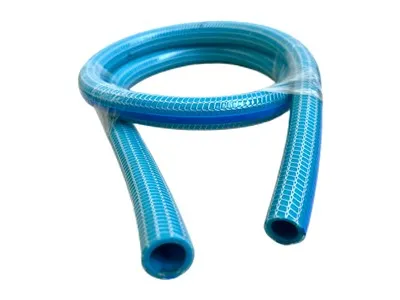
First things first, let’s talk about why water flow is such a big deal. Water flow basically tells you how much water can move through the hose in a certain amount of time. It’s measured in gallons per minute (GPM) or liters per minute (LPM). Whether you’re using the flat hose for watering your garden, cleaning your car, or some industrial job, getting the right water flow is key. Too little water flow, and you’ll be waiting forever to get the job done. Too much, and you might end up with a powerful spray that’s hard to control or even causes damage.
Now, let’s dig into how you can figure out your water flow requirements. If you’re using the hose for gardening, think about the size of your garden. A small flower bed won’t need as much water flow as a large vegetable garden. For a small flower bed, a water flow of around 2 – 3 GPM might be enough. You can use a gentle sprinkle to water the delicate flowers without washing away the soil. But if you’ve got a big vegetable garden, you might want a flow rate of 5 – 8 GPM to make sure all the plants get enough water in a reasonable time.
If you’re using the hose for car washing, you don’t need a super – high water flow. A flow rate of 3 – 4 GPM is usually sufficient. This gives you enough pressure to rinse off the dirt but isn’t so strong that it’ll damage the car’s paint. And if you’re into pressure washing, say for cleaning the driveway or the patio, you’ll need a much higher water flow. You’re looking at something like 8 – 12 GPM or even more, depending on the size of the area you’re cleaning and how dirty it is.
For industrial applications, it can get a bit more complicated. Different industries have different water flow requirements. For example, in a manufacturing plant that uses water for cooling machinery, the water flow needs to be carefully calculated based on the heat load of the machinery. You might be looking at flow rates in the dozens or even hundreds of GPM. In this case, it’s a good idea to consult with an engineer or someone with industrial experience to figure out the exact water flow you need.
Once you’ve got a handle on your water flow requirements, it’s time to look at the flat hoses themselves. There are a few things about the hose that can affect the water flow.
The diameter of the hose is a major factor. A wider – diameter hose generally allows more water to flow through it. For example, a 5/8 – inch diameter flat hose will usually have a higher water flow than a 1/2 – inch diameter one. If you need a high water flow, go for a larger – diameter hose. But keep in mind that larger – diameter hoses can also be heavier and bulkier, so you’ll have to balance the water flow needs with the ease of handling.
The length of the hose also matters. The longer the hose, the more resistance there is to water flow. As the water travels through a long hose, it loses some of its pressure. So, if you’re using a really long hose, you might need to choose a hose with a larger diameter to compensate for the pressure loss. For instance, if you need to water a far – off part of your garden and you need a 100 – foot hose, a 3/4 – inch diameter hose might be a better choice than a 1/2 – inch one to maintain a good water flow.
Another thing to consider is the material of the hose. Some materials are smoother on the inside, which means less friction and better water flow. For example, a hose made of a high – quality PVC material might have a better water flow than a cheaper, rougher – textured rubber hose.
The fittings of the hose also play a role. A well – designed fitting can keep the water flow smooth, while a poorly – made one can cause restrictions. Make sure the fittings are the right size and are properly attached to the hose.
Let’s talk about some common types of flat hoses and their water flow capabilities.
There are standard flat hoses that are great for everyday use, like watering the garden or washing the car. These hoses usually come in 1/2 – inch or 5/8 – inch diameters and can handle water flow rates in the 2 – 5 GPM range. They’re lightweight and easy to store, making them a popular choice for homeowners.
Then there are heavy – duty flat hoses. These are designed for more demanding tasks, like industrial cleaning or large – scale gardening. They often have larger diameters, like 3/4 – inch or even 1 – inch, and can handle water flow rates of 8 – 15 GPM or more. They’re usually made of more durable materials to withstand the higher pressures.
Now, I know all this information can be a bit overwhelming, but don’t worry. As a flat hose supplier, I’ve got the knowledge and the products to help you out. I’ve got a wide range of flat hoses in different diameters, lengths, and materials to suit your water flow requirements.
If you’re still not sure which flat hose is right for you, feel free to reach out. I can help you analyze your water flow needs and recommend the best hose for your situation. Whether you’re a homeowner looking for an easy – to – use garden hose or a business owner in need of an industrial – grade flat hose, I’ve got you covered.
So, don’t hesitate to get in touch if you’re in the market for a flat hose. Let’s have a chat about your water flow requirements, and I’ll do my best to find the perfect flat hose for you.
PVC Suction Hose References:
- "Hose Handbook" – A general guide on hoses and their properties.
- Industry reports on water flow requirements for different applications.
Weifang Xinzhiyuan Plastic Co., Ltd.
As one of the most experienced flat hose manufacturers and suppliers in China, we offer a wide range of products with superior quality. Please feel free to wholesale premium flat hose made in China here from our factory. We also accept customized orders.
Address: No. 700, Tongle Street, Economic Development Zone, Changle County, Weifang City, Shandong Province
E-mail: hua@xzypvchose.com
WebSite: https://www.pvchose-xzy.com/
