Hey everyone, it’s Jake here from the rice combine harvester side of things, and if you’ve ever hung around rice farms for more than an hour, you know one thing for sure: farmers are always hunting for ways to stretch their equipment dollar. Last week I had a farmer from Arkansas shoot me a message asking, “Can I hook up extra stuff to my existing combine instead of buying a whole new machine?” And honestly? I get it. New combines don’t come cheap—like, we’re talking six-figure numbers that make even the most seasoned farm operators do a double-take. So today let’s cut the jargon and talk about whether you can actually outfit your rice combine with extra attachments, what works, what’s a total waste, and why this is one of the smartest (and most underrated) moves you can make for your farm’s bottom line. Rice Combine Harvester
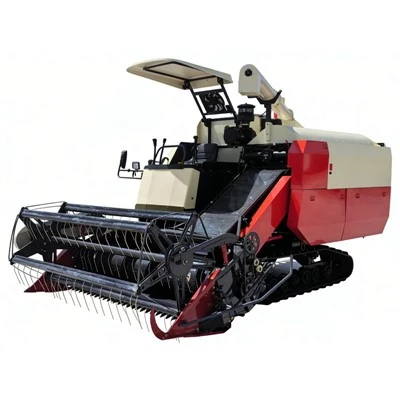
First off, let’s get one thing straight: rice combines aren’t one-size-fits-all, and neither are their attachments. When a lot of people picture a combine, they see that big, loud machine that cuts, threshes, and cleans rice all in one pass—and that’s true, but it’s not the end of the line. I’ve been selling these things for 8 years now, and I’ve seen everything from a guy who added a small rock pickup to his header to a crew that retrofitted a precision seed monitor on an old harvester that was never designed for it. The key here is knowing what your combine’s setup can handle. Most modern rice combines (we’re talking models from the last 15 years or so) have built-in hydraulic ports, extra mounting bays, and even software ports that make adding attachments way easier than it was back in the 90s. Back then, farmers were rigging stuff with wire and duct tape—nowadays, a lot of attachments bolt right on without major modifications.
Let’s start with the most practical attachments I get asked about all the time, because these actually make work faster and reduce your downtime (which is everything during rice harvest season, by the way—miss a few days of good weather and you’re looking at shrunken grain and lost cash). First up: floating row markers. Wait, why would a combine need row markers? Rice is usually planted in rows these days, especially for continuous cropping and no-till systems, and if your combine can follow those rows perfectly, you cut down on overlaps which means less wasted rice and more even threshing. A lot of new combines come with these, but if yours doesn’t, you can add a GPS-enabled row marker attachment that syncs with your existing display. I had a farmer in Mississippi add one last year and he told me he cut his harvest time by 12%—that’s a whole extra day of rest before the next field, no joke.
Another big one: grain stabilizers and drying attachments. Rice has to hit a specific moisture level (around 14% for storage, depending on the variety) or it’ll mold, and hauling it to a central dryer every day is a total hassle. Some attachments hook right into the combine’s grain tank to cool the rice as it’s being unloaded, so you don’t have to pay for extra drying fees. I’ve sold these to small family farms and big operations alike—small farms love them because they don’t have their own dryers, and big farms use them to skip the line at the co-op. The only catch here is you need to make sure your combine’s grain tank has enough airflow; if it’s an older model with a tiny fan, you might need a little upgrade, but it’s way cheaper than a whole new combine.
Then there’s the stuff that’s a little more niche but game-changing for specific rice types. Like, if you grow organic rice, you might want a weed seed separator attachment. Regular combines suck up weeds along with the rice, and when you spread the straw back out, those weed seeds germinate next season. A good separator will pull out 80-90% of the weed seeds, so you don’t have to use as much herbicide. I work with a lot of organic rice farmers, and this attachment has become non-negotiable for them. There’s also straw management attachments—some farmers want to leave straw on the field to build soil health, so a chopper attachment that cuts straw into tiny pieces works great, while others want to bale straw for animal feed, so you can hook up a baler attachment to unload straw straight from the combine. Wild, right? One machine doing two jobs.
But hold on—before you go ordering every attachment you see on TikTok, let’s talk about what NOT to do, because I’ve seen way too many farmers waste money on stuff that doesn’t work. First off, don’t overwork your combine’s hydraulics. If you add three attachments that all run on the same hydraulic line that your header already uses, you’re gonna end up with a dead combine halfway through harvest. I always tell customers to check their combine’s hydraulic flow rating first—you can find that in the operator’s manual, and if you don’t have it, shoot me a message and I’ll help you look it up. Second, skip the no-name attachments off Amazon or random farm sites. I’ve had customers bring me parts that broke after two uses—rice is a abrasive material, and cheap parts don’t hold up. Stick to attachments designed specifically for rice combines, not generic ones for corn or wheat. Third, don’t add something just because a neighbor has it. If your farm is only 50 acres, a giant baler attachment that works for a 500-acre operation is just gonna sit in your shed—match the attachment size to your farm size.
Now, let’s get to the real question: is it worth it? Let’s do the quick math. A new rice combine is $150k-$300k, depending on size. A good set of useful attachments is usually $5k-$25k, and most of them pay for themselves in one harvest season. Take that grain stabilizer I mentioned earlier: if you save $10 per ton in drying fees, and you harvest 500 tons, that’s $5k right there—so even a $7k stabilizer pays for itself in one year. The row marker? Cut your time by 10% on 500 acres, that’s an extra 50 acres harvested a day, which means less overtime for your crew and more time to get the job done before rain hits. For a lot of farmers, this isn’t just a money saver—it’s the difference between making a profit and breaking even.
And here’s the thing I love: modern attachments are getting smarter all the time. Last year we rolled out a new precision rice monitor attachment that pairs with your phone, so you can check grain moisture, yield, and even weed levels while you’re in the cab. No more guessing if your rice is ready to sell, no more writing down numbers on a piece of paper that gets ruined in the rain. It syncs with your existing display, so you don’t have to replace your whole cab if you don’t want to. That’s the kind of upgrade that fits right in, no hassle.
I should also mention that if you’re not sure what your combine can handle, we do custom retrofits for almost any model. I don’t just sell combines— I’ve been in the cab, I’ve seen the fields, I know what works for rice. Last month I helped a guy with a 2008 John Deere rice combine add a whole new threshing rotor liner and a seed cleaner attachment, and he told me it works better now than it did when it was new. It doesn’t have to be complicated, and you don’t have to go broke upgrading.
At the end of the day, rice farming is all about adapting. The season’s short, the weather’s unpredictable, and every dollar counts. If you’ve got a combine that runs good, there’s a solid chance you can make it work harder for you with the right attachments—no need to buy something brand new. The key is to do your research, stick to quality parts, and make sure whatever you add actually solves a problem you have, not just a problem you don’t know you have yet.
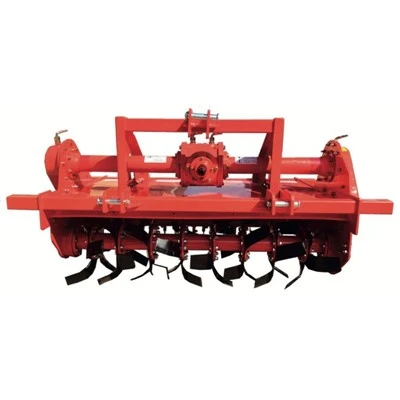
If you’re looking to upgrade your rice combine and you’re not sure where to start, hit me up. I can walk you through what attachments work for your specific model, give you a fair price, and even help with installation if you need it. No sales pitch, just straight talk about what’ll actually make your harvest easier and your farm more profitable. Let’s connect and figure out the best setup for you.
Farm Tractor References:
- American Society of Agricultural and Biological Engineers. (2021). Agricultural Machinery Attachments for Rice Production. ASABE Standards.
- Rice Journal. (2022). "Attachment Retrofits Cut Harvest Costs by 20% for Small-Scale Rice Farmers." Vol. 45, No. 3, pp. 18-21.
- U.S. Department of Agriculture. (2023). "Cost-Effective Equipment Upgrades for Grain Farms." USDA Farm Resource Guide.
- International Society of Precision Agriculture. (2022). "GPS-Assisted Row Markers for Row-Crop Rice Production." Proceedings of the 18th International Conference on Precision Agriculture.
Huzhou Liangyi Agro Machinery Co., Ltd.
As one of the most professional rice combine harvester manufacturers and suppliers in China, we have world-leading production equipment and strong manufacturing capabilities. Please rest assured to wholesale advanced rice combine harvester from our factory. Contact us for more cheap products.
Address: High-Tech Industrial Zone, Huzhou City, Zhejiang Province, China
E-mail: Liangyi_agro@126.Com
WebSite: https://www.cnliangyi-agro.com/
