What is the maximum torque of dental handpiece with accessories?
As a supplier of dental handpiece accessories, I’ve had the privilege of witnessing firsthand the crucial role these components play in the dental industry. One of the most frequently asked questions by our clients is about the maximum torque of a dental handpiece when paired with accessories. This seemingly simple query delves deep into the science of dental technology and can significantly impact the efficiency and quality of dental procedures. In this article, I’ll explore what maximum torque means in the context of dental handpieces, the factors influencing it, and why it matters for dental professionals. Dental Handpiece Accessories

Understanding Torque in Dental Handpieces
To grasp the concept of maximum torque in dental handpieces, we first need to understand what torque is. In simple terms, torque is a measure of the rotational force applied to an object. When it comes to dental handpieces, torque is what allows the handpiece to rotate the bur or other cutting instruments with sufficient power to perform a variety of dental procedures, such as tooth preparation, cavity removal, and polishing.
The maximum torque of a dental handpiece refers to the highest amount of rotational force the handpiece can generate under specific conditions. It is typically measured in Newton – millimeters (N.mm). This value is important because it directly affects the handpiece’s ability to cut through different types of dental materials, including enamel, dentin, and restorative materials like composite resin and porcelain.
Factors Influencing the Maximum Torque
Several factors can influence the maximum torque of a dental handpiece when used with accessories. These include the type of handpiece, the power source, the design of the components, and the quality of the accessories.
- Type of Handpiece: Dental handpieces can be broadly classified into two types: air – driven and electric. Air – driven handpieces rely on compressed air to power the rotation of the bur. They are generally lighter and more affordable, but their torque output is typically lower compared to electric handpieces. Electric handpieces, on the other hand, use an electric motor to generate rotational force. They offer higher torque and more precise control, making them suitable for more demanding dental procedures.
- Power Source: For air – driven handpieces, the pressure and flow rate of the compressed air are critical factors. Higher air pressure generally leads to increased torque, but there are limits to how much pressure a handpiece can withstand safely. For electric handpieces, the voltage and amperage of the power supply determine the motor’s performance and, consequently, the handpiece’s torque. A stable and appropriate power source is essential to achieve the maximum torque.
- Design of Components: The internal design of the handpiece, including the gears, bearings, and the coupling mechanism between the motor or air turbine and the bur, can significantly affect torque transfer. Well – designed components minimize power loss and ensure efficient transmission of rotational force. Additionally, the shape and size of the handpiece head can also influence torque delivery, as they affect the hand – eye coordination and the amount of force the dentist can apply during the procedure.
- Quality of Accessories: The accessories used with the dental handpiece, such as burs, attachments, and coolant systems, can impact the overall torque performance. High – quality burs with sharp cutting edges require less force to cut through dental materials, allowing the handpiece to operate more efficiently. Similarly, properly fitting attachments and effective coolant systems can reduce friction and heat generation, maintaining the handpiece’s performance and torque output.
Why Maximum Torque Matters
The maximum torque of a dental handpiece has several implications for dental professionals and their patients.
- Improved Efficiency: A handpiece with higher maximum torque can cut through dental materials more quickly and easily. This reduces the time required for each procedure, allowing dentists to see more patients and increasing the overall productivity of the dental practice.
- Enhanced Precision: With sufficient torque, dentists can have better control over the cutting process. This is particularly important when performing delicate procedures, such as inlays and onlays, where precision is crucial for a successful outcome.
- Patient Comfort: A handpiece that can perform the required dental procedures efficiently with less force reduces the amount of vibration and pressure on the patient’s teeth and gums. This results in a more comfortable experience for the patient and may also reduce the risk of postoperative pain and sensitivity.
- Longevity of Instruments: By operating at optimal torque levels, the handpiece and its accessories are subjected to less stress and wear. This can extend the lifespan of the instruments, reducing the need for frequent replacements and saving costs for the dental practice.
Measuring and Optimizing Maximum Torque
Measuring the maximum torque of a dental handpiece can be done using specialized equipment. Dental manufacturers typically provide torque specifications for their handpieces, but these values may vary depending on the operating conditions and the accessories used.
To optimize the maximum torque of a dental handpiece, dental professionals should ensure the following:
- Regular Maintenance: Regular cleaning, lubrication, and calibration of the handpiece are essential to maintain its performance. This includes checking the air or electrical connections, inspecting the gears and bearings for wear, and replacing any worn – out components.
- Proper Accessory Selection: Choosing the right accessories for the specific dental procedure is crucial. This involves selecting the appropriate bur size, shape, and material, as well as using compatible attachments and coolant systems.
- Correct Operating Techniques: Dentists should be trained in the proper use of dental handpieces to maximize torque effectively. This includes maintaining the correct angle and pressure during the procedure, as well as using the handpiece at the recommended speed settings.
Conclusion
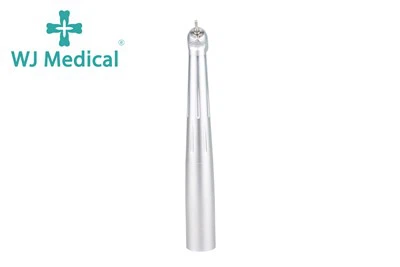
In conclusion, the maximum torque of a dental handpiece with accessories is a critical parameter that affects the performance, efficiency, and precision of dental procedures. As a supplier of dental handpiece accessories, we understand the importance of providing high – quality products that can work in harmony with dental handpieces to achieve optimal torque levels.
Dental Clinic Micromotor If you are a dental professional looking to enhance the performance of your dental handpieces or are interested in our range of dental handpiece accessories, we encourage you to contact us to discuss your specific needs. Our team of experts is ready to provide you with the best solutions and support to help you deliver excellent dental care.
References
- Dental Handpiece Technology: Principles and Practice. Second Edition. Editors: D. Croll, S. Manfra Marretta.
- Journal of Dental Research. Various articles on dental handpiece performance and design.
- Manufacturer’s product brochures and technical specifications for dental handpieces and accessories.
Foshan Wenjian Medical Instrument Co., Ltd.
Foshan Wenjian Medical Instrument Co., Ltd. is one of the most professional dental handpiece accessories manufacturers and suppliers in China, featured by supplying high quality medical devices. Welcome to wholesale dental handpiece accessories at competitive price from our factory. For more company information, contact us now.
Address: Workshop A, Sanyi Logistics, Shishan Town, Nanhai District, Foshan City, Guangdong Province, China
E-mail: Sales24@wenjian88.com
WebSite: https://www.chinaywjmed.com/
