Overhead line towers play a crucial role in the extensive network of the power grid, acting as the silent guardians that ensure the smooth and efficient transmission of electricity over long distances. As a supplier of overhead line towers, I’ve witnessed firsthand how these structures interact with the power grid in a multifaceted and symbiotic relationship. Overhead Line Tower

Structural Support and Grid Integrity
At the most fundamental level, overhead line towers are engineered to provide unwavering structural support for the high – voltage power lines that crisscross our landscapes. These towers are designed to withstand a variety of environmental forces, including strong winds, heavy snow loads, and even seismic activity in some regions.
The design of overhead line towers is a complex process that takes into account the specific requirements of the power grid. For instance, in areas with high wind speeds, towers are built with a more aerodynamic shape and reinforced foundations to prevent toppling. The use of advanced materials such as high – strength steel and concrete also enhances the structural integrity of the towers.
When a tower is properly installed and maintained, it ensures that the power lines remain at the correct height and tension. This is critical because any deviation from the optimal conditions can lead to electrical faults, such as short – circuits or power outages. For example, if a tower sways due to inadequate structural support during a storm, the power lines may come into contact with each other or nearby objects, causing a disruption in the power supply.
Electrical Conductivity and Transmission Efficiency
Overhead line towers are not just passive support structures; they also contribute to the electrical performance of the power grid. The conductors attached to these towers, usually made of copper or aluminum, carry the electrical current from power generation sources to substations and ultimately to consumers.
The design of the tower – conductor system is optimized to minimize electrical losses. One factor to consider is the distance between the conductors and the tower structure. This distance is carefully calculated to reduce the effects of electrical interference and capacitance. By maintaining an appropriate separation, the flow of electrical current along the conductors is smoother, resulting in lower energy losses during transmission.
In addition, the insulators used on overhead line towers are crucial for ensuring the safety and efficiency of the power grid. These insulators are made of materials such as porcelain or composite polymers, which have high electrical resistance. They prevent the electrical current from leaking to the tower structure and the ground, thereby minimizing the risk of electrical accidents and improving the overall transmission efficiency.
Grid Expansion and Adaptability
As the demand for electricity continues to grow, the power grid needs to expand and adapt to new challenges. Overhead line towers play a vital role in this process. They provide a flexible and cost – effective solution for extending the reach of the power grid into new areas.
When planning a new power transmission line, engineers can choose from a variety of tower designs to suit the specific terrain and environmental conditions. For example, in mountainous regions, self – supporting lattice towers may be used, while in urban areas, monopole towers are often preferred due to their smaller footprint.
Moreover, overhead line towers can be easily modified or upgraded to accommodate changes in the power grid. For instance, if there is an increase in the power demand, additional conductors can be installed on existing towers, provided that the tower structure can support the extra load. This adaptability makes overhead line towers an essential component of a dynamic and evolving power grid.
Integration with Other Grid Components
Overhead line towers do not operate in isolation; they interact closely with other components of the power grid, such as substations, transformers, and circuit breakers.
Substations are the hubs where the voltage of the electrical power is transformed to a suitable level for distribution. Overhead line towers are used to connect the power generation sources to the substations. The power lines carried by these towers bring the high – voltage electricity to the substations, where it is stepped down to a lower voltage for further distribution.
Transformers are another critical component of the power grid that works in tandem with overhead line towers. They are responsible for changing the voltage of the electrical power, which is essential for efficient transmission and distribution. The power lines supported by the towers carry the electrical energy to and from the transformers, ensuring a seamless flow of electricity throughout the grid.
Circuit breakers are safety devices that protect the power grid from electrical faults. They can quickly interrupt the flow of electrical current in case of a short – circuit or other abnormal conditions. Overhead line towers are part of the overall electrical circuit, and the circuit breakers are strategically placed along the power lines to safeguard the integrity of the grid.
Monitoring and Maintenance for Grid Reliability
To ensure the reliable operation of the power grid, continuous monitoring and maintenance of overhead line towers are essential. As a supplier, we understand the importance of providing high – quality towers and also offer support for their long – term upkeep.
Advanced monitoring technologies are being used to detect any potential issues with the towers. For example, sensors can be installed on the towers to measure factors such as vibration, temperature, and stress. By analyzing the data collected from these sensors, technicians can identify early signs of structural damage or electrical problems and take proactive measures to prevent failures.
Regular maintenance activities, such as inspections, painting, and replacement of worn – out components, are also carried out to keep the towers in good condition. This helps to prevent corrosion, which can weaken the tower structure over time. By maintaining the towers, we can ensure the continued safe and efficient operation of the power grid.
Environmental Considerations
In addition to their technical functions, overhead line towers also need to be designed and installed with environmental considerations in mind. As the power grid continues to expand, minimizing the environmental impact of these structures is becoming increasingly important.
When selecting the locations for overhead line towers, efforts are made to avoid sensitive habitats, such as wetlands and forests. The towers are also designed to have a smaller visual impact on the landscape. For example, some modern tower designs use more streamlined shapes and natural colors to blend in with the surroundings.
Moreover, the materials used in the construction of overhead line towers are being chosen for their environmental sustainability. Recycling and responsible sourcing of materials are becoming more common practices in the industry. By using sustainable materials, we can reduce the carbon footprint associated with the production and installation of these towers.
Conclusion
In conclusion, overhead line towers are an integral part of the power grid, interacting with it in numerous ways. From providing structural support and ensuring electrical conductivity to facilitating grid expansion and integrating with other components, these towers play a vital role in the reliable and efficient transmission of electricity.
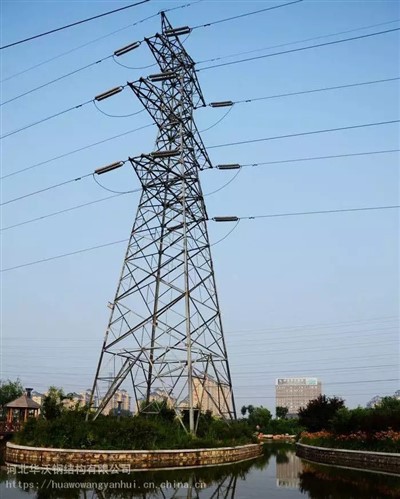
As a supplier of overhead line towers, we are committed to providing high – quality products that meet the diverse needs of the power grid. Our towers are designed and manufactured using the latest technologies and industry best practices to ensure the safety and performance of the power grid.
Electrical Tower Stand If you are interested in purchasing overhead line towers for your power grid projects, we invite you to reach out to us for a detailed discussion. We have a team of experienced professionals who can provide you with customized solutions based on your specific requirements. Let’s work together to build a more reliable and sustainable power grid.
References
- Gropp, A., & Schmidt, K. (Eds.). (2018). High – Voltage Technology: Fundamentals and Transmission. Springer.
- Grcev, L. (2014). Practical Power System Protection. IET.
- International Energy Agency (IEA). (2022). Electricity Market Report. OECD/IEA.
Hebei Yifeng Steel Structure Co., Ltd.
As one of the most professional overhead line tower manufacturers and suppliers in China, we offer a wide range of products with superior quality. Please feel free to buy cost-efficient overhead line tower for sale here from our factory. Contact us for more details.
Address: Guangchuan Town Industrial Zone, Jing County, Hengshui City, Hebei Province
E-mail: hbyfgjg@163.com
WebSite: https://www.yf-powertowers.com/
