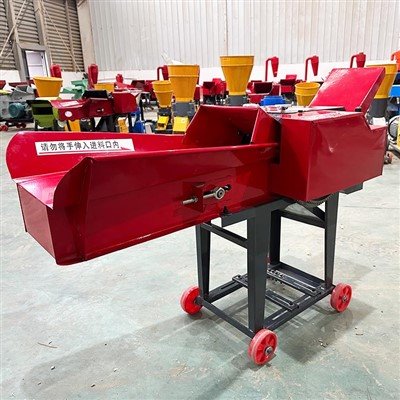
If you’ve ever spent time working with a pellet mill machine—whether you’re a small-scale farmer turning wood shavings into bedding, a feed producer crafting livestock rations, or a hobbyist making fuel pellets for your home boiler—you’ve probably stared at your raw ingredients at some point and wondered: Do I really need to add any additives? As a pellet mill supplier who’s fielded this question at trade shows, over phone calls, and in inbox messages for the past 12 years, I can tell you it’s one of the most common, and most important, questions new and seasoned operators alike ask. The short answer? It depends. But the longer, more practical answer is tied to your specific raw materials, what you’re using the pellets for, and the kind of pellet mill you’re running. Let’s break this down like we would over a cup of coffee at a trade show booth, no overly technical jargon unless it’s necessary, and all based on what I’ve seen work for hundreds of my customers. Pellet Mill Machine
First, let’s start with the basics: what pellets are, and why additives (or a lack of them) matter. Pellet mills work by compressing raw, loose material through a die (the round plate with small holes that’s at the heart of every pellet mill) under high pressure and moderate heat. The friction from that compression is usually enough to bind the material together, right? For some materials, that’s 100% true. If you’re making hardwood fuel pellets, for example, sawdust and wood shavings that have been dried to the right moisture level (usually 8-10%) will bind just fine without any additives. The lignin in the wood— that natural polymer that makes up the cell walls—softens at the high temperatures generated during pelleting, acting as a natural glue that holds the pellet shape as it cools. I’ve had small-scale wood pellet producers buy our flat-die pellet mill, run only dried oak shavings, and turn out pellets that burn just as well as any commercial brand, no extra additives needed.
But here’s where the line gets blurry, and where I start asking customers questions to figure out if additives make sense for them. What are you making pellets for? Let’s split that into two main categories: fuel pellets and feed pellets, since those are the two biggest uses our customers work with, and each has very different rules.
For fuel pellets: when would you need additives? Most of the time, you don’t. But there are exceptions. I had a customer a couple years back who runs a small pellet mill in the Pacific Northwest, where a lot of their raw material is wetter than ideal—think 15-18% moisture, instead of the 10% sweet spot. They tried pelleting without additives, and their pellets would crumble halfway through the die, or fall apart while cooling, leading to tons of waste. We tested a small amount of a natural binding agent—something common in fuel pellet production, like lignosulfonate, a byproduct of paper manufacturing that’s non-toxic and works great as a binder—at a rate of 1-2% of the total raw material. That was enough to hold the pellets together without changing their burn quality. Another exception is if you’re using a lot of low-bulk density material, like straw or grass clippings, which don’t have much natural lignin. Straw is super common for people making fuel or even bedding pellets, but it’s wiry and doesn’t bind as easily as wood. For straw pellets, a small amount of binder (again, 1-2% is standard) is usually worth it to reduce waste and make the pellets durable enough to store and transport. I always warn customers here: don’t overdo it. Too much additive, even a good one, will make your pellets burn slower or produce more ash, which is the opposite of what you want for heating fuel.
Now for feed pellets, which is an entirely different ballgame. For feed, additives aren’t just for binding—they’re often for nutrition, health, and even pellet quality. If you’re making feed pellets for chickens, cows, sheep, or even pets, the question of additives is non-negotiable, in most cases. First, basic feed pelleting: when you’re mixing grains (corn, soy, wheat) with other ingredients like bran or minerals, the mixture is usually fine, but pelleting can cause some of the finer particles to separate. A small amount of a binding agent like bentonite (a natural clay that’s safe for livestock) or even molasses (which also adds a small amount of energy) at 0.5-1% helps keep the mixture consistent, so your pellets don’t have dusty, fine pieces that animals waste. That’s a big one for small-scale farmers— I had a customer in Ohio who was making feed for his 50 dairy cows, and he was throwing away 10% of his feed every month because of dust. Adding a half percent molasses fixed that, and he told me it paid for itself in saved feed in less than a month.
Beyond binders, feed pellets require nutritional additives. Vitamins, minerals, amino acids, and even probiotics are common additives, and they’re not optional—they’re what make the feed complete for animal health. But here’s a tip from experience: when adding heat-sensitive additives, you have to adjust your pelleting process. Pellet mills generate friction heat that can get up to 180-200 degrees Fahrenheit, and things like probiotics or certain vitamins break down at those temperatures. So I tell feed producers to either add those nutrients after pelleting, or use a feed mill that has a cooling step built in, so the pellets cool to under 100 degrees before adding heat-sensitive additives. That’s a mistake I saw a new customer make once—he added all his vitamins before pelleting, and by the time the pellets came out, 40% of the good stuff was gone. It cost him a batch of feed and a lot of frustrated cows, so I always pass that story along to new people.
Now, let’s talk about materials that are tricky, no matter what use you’re making pellets for. What if you’re working with very high-protein materials, like soybean meal, or very starchy materials, like corn? Those don’t have much lignin, so they’re hard to bind on their own. For example, if you want to make 100% corn feed pellets, you’ll almost certainly need to add a binder, because corn has almost no natural binding agent. But here’s a workaround I’ve recommended: steam conditioning. Most pellet mills (especially the ring-die models we sell for feed production) have a conditioner that adds steam to the raw material before it goes into the die. That steam raises the moisture and temperature just enough to make the starch in corn soft, so it acts as a binder. So you don’t always need to add an external binder—adjusting your conditioning step can eliminate the need for extra additives, saving you money. That’s a big win for small producers who don’t want to add extra ingredients to their raw mix.
I also get asked a lot about additives for bedding pellets, which are a middle ground between fuel and feed. Bedding pellets are for horse stalls, chicken coops, and pet enclosures—they need to be durable enough to not turn into dust when stepped on, but also absorbent. For wood bedding pellets, most producers don’t need additives, but if they’re using a lot of pine (which can be resinous and hard to compress), a tiny amount of a release agent (like food-grade oil, at less than 0.5%) can keep the pellets from sticking to the die holes, which makes the pellet mill run more efficiently and reduces wear on the die and rollers. I had a customer who was having to replace his die every 3 months because of sticking pine, and after adding a very small amount of canola oil (we recommend food-grade, non-toxic for bedding), his die lasted over a year. That’s a concrete example of how a small additive made a huge difference for his operation.
But wait—are there times when you should never add additives? Absolutely. If you’re making organic-certified pellets, for example, you have to be extremely careful about what you add. Organic fuel pellets can only use natural, organic binders like lignosulfonate or molasses—no synthetic additives. Organic feed pellets have even stricter rules, so you have to check your certifier’s guidelines before adding anything. I once had an organic farmer who almost got his certification revoked because he added a synthetic binding agent without checking, so I always remind customers in organic industries to prioritize approved additives, or test to make sure their pellets meet organic standards without additives first.
Another thing to consider is cost. Additives aren’t free, so you have to weigh the cost of the additive against the cost of waste, downtime, or lower-quality pellets. For example, if you’re producing 1 ton of pellets a day, and an additive costs $50 per ton, that’s an extra $50 a day, but if it reduces your waste from 10% to 2%, that’s $100 a day in saved material. That’s a simple math equation, but a lot of new operators skip that step. I always recommend running a small test batch first—take 50 pounds of your raw material, run half without additives, half with the additive you’re considering, and compare the durability, dust level, and output. Most pellet mill suppliers (including us) will help you run these small tests if you bring them samples, which saves you from wasting a whole batch of material if an additive doesn’t work for your setup.
Let’s also address a common myth I hear all the time: “All pellets need additives to be good.” No, that’s not true. I’ve seen customers make perfect, durable fuel pellets from 100% dried birch sawdust, no additives. I’ve seen horse bedding pellets made from 100% wheat straw that didn’t crumble, thanks to proper conditioning and die compression, no binders needed. The mistake people make is assuming every material is the same, but raw materials vary so much in lignin content, moisture, and structure that there’s no one-size-fits-all answer.
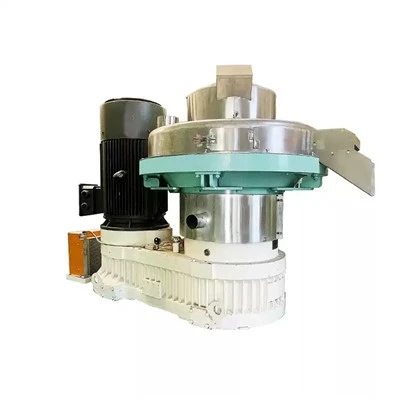
Now, let’s tie this back to our pellet mill machines, since that’s what I’m selling. The type of pellet mill you use affects whether additives are needed, too. Flat-die pellet mills (the smaller, more affordable ones for home or small-scale use) tend to need a bit more help with binding than large ring-die mills, because they have lower compression pressure. So if you have a flat-die mill and you’re working with straw or low-lignin material, you’re more likely to need a small amount of additive than someone with a heavy-duty ring-die mill for large-scale production. I always match recommendations to the mill the customer is using—for example, if someone buys our entry-level flat-die mill for home fuel pellets, I’ll tell them that if their sawdust is over 12% moisture, a tiny bit of lignosulfonate will help, but if they dry it to 8%, they won’t need anything. That tailored advice is what sets good suppliers apart from just selling machines, I think.
Let me wrap this up with a few key takeaways I share with every customer, so you can make the right call for your operation. First, start with your raw material and end use: if you’re making fuel from dried, high-lignin wood, you probably don’t need additives. If you’re making feed or working with low-lignin materials like straw or corn, additives (or conditioning adjustments) will likely help. Second, test before you commit: a small batch test will tell you if an additive is worth the cost and effort, instead of guessing. Third, prioritize quality over extra ingredients: don’t add additives just because you think you should—only add them if they solve a specific problem (waste, dust, poor durability).
At the end of the day, the goal of using a pellet mill is to turn loose, messy raw material into a uniform, usable product. Whether that’s fuel for your stove, feed for your livestock, or bedding for your barn, additives are a tool, not a requirement. If you’re not sure if you need additives for your specific raw materials and pellet mill setup, our team can help. We work with everything from small-scale hobbyist mills to large commercial operations, and we’ll walk you through what works, what doesn’t, and how to get the best results without wasting time or money on unnecessary additives. If you have questions about your setup, want to run a test, or just want to chat about what works for your pellets, feel free to reach out to our team to connect and discuss your needs.
Forage Pulper References
- Pellet Plant Operations Handbook, 3rd Edition. Pellet Mill Association, 2021.
- “Effect of Additives on Pellet Durability and Quality of Wood Fuel Pellets.” Journal of Applied Biomass and Bioenergy, vol. 15, no. 2, 2019, pp. 45-52.
- “Feed Pellet Quality: Binders and Additives for Livestock and Poultry.” Journal of Animal Science, vol. 97, no. 4, 2018, pp. 1678-1687.
- Organic Pellet Production Guidelines. International Organic Certifiers, 2020.
- Flat-Die vs. Ring-Die Pellet Mills: Performance and Application. Small Scale Processing Journal, vol. 12, no. 3, 2022, pp. 19-25.
Zhengzhou Xinyihaotong Machinery Manufacturing Co., Ltd.
As one of the most professional pellet mill machine manufacturers in China, we also support custom service. We warmly welcome you to buy high quality pellet mill machine for sale here from our factory. For price consultation, contact us.
Address: Rooms 2301–2312, Jiayi Building, Xinxiang City, Henan Province, China
E-mail: zhaoyixuan5566@gmail.com
WebSite: https://www.xyhtmachinery.com/
