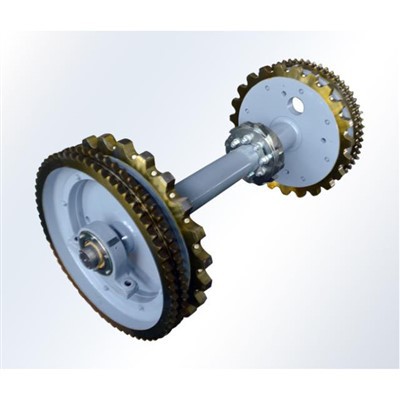
If you’ve ever worked in manufacturing, mining, agriculture, or any industry that moves heavy bulk materials—from grain and ore to construction debris and recycled plastics—you know how critical chain plate feeders are. These systems don’t just move material; they control its flow, regulate production speed, and keep entire processing lines running smoothly. But the heart of every chain plate feeder is its chain: a continuous, heavy-duty assembly that endures constant friction, extreme loads, temperature swings, and exposure to corrosive materials. As a supplier of chain plate feeder chains, I’ve spent over a decade working directly with operators, maintenance teams, and plant managers to troubleshoot breakdowns and extend the life of these essential components. What I’ve learned is this: most chain failures aren’t accidents—they’re preventable, the result of skipped maintenance, rushed repairs, or a lack of understanding of how to care for these chains properly. Chain Plate Feeder Chain
Let’s start with a quick reality check: a poorly maintained feeder chain can shut down an entire production line, costing thousands of dollars in downtime every hour. Last year, I worked with a mid-sized aggregate plant in the Midwest that lost 18 hours of production because their chain plate feeder chain snapped mid-shift. The problem? They skipped lubrication for three months and didn’t align their sprockets. Total repair and lost revenue? Over $120,000. That’s a cost that could’ve been avoided with a 10-minute weekly maintenance check.
So, how do you maintain a chain plate feeder chain to avoid that kind of headache? It’s not rocket science, but it does require consistency, attention to detail, and knowledge of your specific chain type. Let’s break this down step by step, drawing on real-world experience from my team and the plants we partner with.
First, you need to know your chain. Not all chain plate feeder chains are the same. There are drop-forged chains for heavy mining applications, corrosion-resistant stainless steel chains for food or chemical processing, and heat-treated carbon steel chains for general manufacturing. Each has unique maintenance requirements. For example, a stainless steel chain used in a grain mill can’t handle the same lubricant as a heavy-duty mining chain, because the grain dust can trap thick, petroleum-based lubricants and cause abrasive wear. Take 10 minutes to jot down your chain’s specifications: its material, load rating, application environment, and the manufacturer’s guidelines (if you have them). This is your baseline for all maintenance.
The first and most non-negotiable maintenance step is regular, correct lubrication. Lubrication isn’t just about reducing friction—it’s also preventing corrosion, sealing out contaminants (like dust, moisture, and debris), and distributing load evenly across the chain’s pins, bushings, and rollers. I’ve seen operators either over-lubricate or under-lubricate, both of which are equally bad. Over-lubrication causes a sticky buildup that traps abrasive material, acting like sandpaper on the chain’s moving parts. Under-lubrication leads to metal-on-metal contact, which wears out pins and bushings 10 times faster than properly lubricated chains.
How often should you lubricate? That depends on your application. For chains running 24/7 in a dusty, high-load mining environment, you’ll need to lubricate every 80 to 120 operating hours. For a grain mill running two 8-hour shifts a day, every 200 to 250 hours works. The best way to tell when it’s time? Wipe a small section of the chain with a clean cloth. If there’s no trace of lubricant left, it’s time. Also, always use the right lubricant for your chain and environment. For carbon steel chains in dry, dusty areas, use a heavy-duty, pressure-resistant lubricant. For stainless steel chains in food or chemical processing, use a food-grade, non-toxic lubricant that won’t contaminate materials. And never mix lubricants—sticking to one type prevents chemical reactions that can break down the lubricant or damage the chain’s coating.
Next, regular inspection for wear and damage. You can’t fix what you don’t check, and with chain plate feeder chains, small problems turn into big ones fast. I recommend two types of inspections: a quick visual check after every shift, and a more thorough detailed inspection every 30 to 60 operating days. For the daily check, just walk the length of the feeder while it’s running (at low speed, for safety) and look for obvious red flags: slack in the chain, uneven movement, grinding noises, or debris caught between the chain and the sprockets. Uneven movement is a common sign that something’s off—either the chain is worn unevenly, or the sprockets are misaligned.
The detailed inspection is where you catch the hidden damage. Here’s what to look for: first, measure chain stretch. All chains stretch over time as the pins and bushings wear, but excessive stretch is a major risk. A general rule of thumb is that when a chain stretches more than 2% of its original length, it needs to be replaced or adjusted. To measure stretch, mark a 10-foot section of the chain (use a permanent marker, not paint, which can flake off in industrial environments) and measure it with a tape measure when the chain is under standard operating tension. If it’s more than 2 inches longer than 10 feet, that’s over 2% stretch—time to act.
Next, check for pin and bushing wear. Remove a few links from the chain (only when the feeder is locked out and tagged out for safety) and use a caliper to measure the pin diameter and bushing inner diameter. If the pin is worn more than 5% from its original size, or the bushing has oval wear, that link is failing and needs to be replaced. Also, check for cracks in the chain plates—use a magnifying glass to look for small cracks, especially at the weld points or where the plates connect to the pins. Cracks are a sign of fatigue, and if left unchecked, the chain can snap unexpectedly.
Then there’s alignment and tensioning—two factors that I can’t stress enough, because they’re responsible for about 40% of premature chain failures. A misaligned chain pulls unevenly on one side, causing excessive wear on the sprockets and chain links, and leading to uneven stretch. Tension, too, is a balancing act: too much tension puts extra strain on the chain and bearings, causing premature wear on the drive components; too little tension leads to slack, which causes the chain to jump off the sprockets, slap against the feeder frame, and get damaged.
How do you align the sprockets and adjust tension properly? First, make sure the feeder is level. Use a spirit level to check the feeder frame along both length and width—even a 1-degree tilt off can throw off alignment. Then, align the sprockets: the drive sprocket and the idler sprocket at the other end of the feeder need to be perfectly parallel, and their teeth need to mesh evenly with the chain. To check alignment, run a string from the center of the drive sprocket’s shaft to the center of the idler sprocket’s shaft. If the string doesn’t touch the center of every sprocket tooth, adjustment is needed—loosen the idler shaft bolts, shift the sprocket until it’s aligned, and retighten.
For tensioning: most chain plate feeders have an adjustment mechanism at the idler end—either bolt holes to shift the idler shaft, or a screw adjustment. Tighten or loosen the idler until the chain has a slight sag: about 1/4 inch of sag for every 10 feet of chain length. Test this by pressing down on the center of the chain with your thumb—if you can move it more than half an inch, it’s too loose; if you can barely move it, it’s too tight. Once adjusted, run the feeder for 10 minutes at full load, then recheck tension and alignment—chains often settle after their first run, so small adjustments are common.
Contamination control is another big one, especially for operators working in dusty, dirty environments. Chain plate feeder chains are designed to handle heavy loads, but they’re not designed to be sandblasted with ore dust or coated in construction debris. Contaminants like dirt, dust, and debris get into the chain’s moving joints, mix with old lubricant, and create abrasive sludge that wears down pins and bushings. I’ve seen chains in a coal plant that were caked in coal dust so thick you couldn’t see the links—those chains wore out in 6 months, compared to 3 years for a similar plant that used air knives to blow out debris every week.
How do you control contaminants? First, install guards on the feeder to keep large debris out, but make sure the guards don’t rub against the chain. Second, use compressed air (at a low pressure, to avoid damaging the chain’s seals) to blow out debris from the chain’s joints every week. For plants handling food-grade materials, use a mild, food-safe detergent to clean the chain, then rinse thoroughly and dry before lubricating—moisture left on the chain can cause corrosion. Also, regularly clean the sprockets—debris stuck in the sprocket teeth causes uneven chain wear, so a quick wipe-down with a wire brush every month will go a long way.
Repairing your chain is another part of maintenance, and it’s crucial to do it right. Never try to force a worn chain link or a bent plate back into place—this will cause premature failure. If you find a damaged link during inspection, replace it immediately. Never run a feeder with a damaged link, even if it seems small. When replacing links, use only links from the same manufacturer as your original chain—mixing links from different suppliers can cause mismatched dimensions, leading to uneven wear and chain failure. Also, when removing old links or installing new ones, make sure to lock out and tag out the feeder’s power source to avoid accidental startup—safety should always come first.
Now, let’s talk about common mistakes I see operators make, because these are easy to fix but can lead to big problems. First, waiting until the chain breaks to replace it. I get calls every week from plant managers whose feeder is down, asking for emergency chain replacements. It’s almost always because they waited too long, and by the time the chain shows signs of wear, it’s already 90% of the way to failure. Second, using the wrong lubricant. I once worked with a chemical plant that used general-purpose motor oil to lubricate their stainless steel chain, which is designed for high-temperature applications. The oil broke down in the plant’s 120-degree environment, leaving the chain unlubricated and leading to a failure that contaminated a batch of chemicals—costing them $200,000 in product loss. Third, skipping alignment checks. A plant in Texas had a chain that kept jumping off the sprockets, and they tried tightening the tension over and over. It took them 3 days to realize the sprockets were misaligned by half an inch, which was causing the chain to wear unevenly and jump.
At the end of the day, maintaining a chain plate feeder chain isn’t about spending a lot of time or money—it’s about being consistent. A 10-minute daily check, a 30-minute weekly lubrication and cleaning, and a thorough monthly inspection can extend your chain’s life by 200% or more. That means less downtime, lower replacement costs, and a more reliable production line.
If you’re struggling with chain maintenance, or need guidance on choosing the right chain for your specific application, I’m here to help. As a chain plate feeder chain supplier, I work with plants of all sizes, from small local manufacturers to large mining operations, to provide not just high-quality chains, but also the technical support to keep them running. Whether you need help with inspection protocols, lubricant recommendations, or emergency replacements, we can partner to create a maintenance plan that works for your operation.
Contact our team to discuss your chain plate feeder chain needs and find the right solutions to keep your line running smoothly.
Conveyor Chain References:
- Machine Design. "Chain Drive Maintenance Best Practices." 2022.
- American Gear Manufacturers Association (AGMA). "Maintenance Guidelines for Heavy-Duty Roller and Conveyor Chains." 2021.
- Mining Engineering. "Bulk Material Handling Equipment Reliability: Chain Component Lifecycle Management." 2023.
- Food and Drug Administration (FDA). "Guidelines for Equipment Sanitation in Food Processing Facilities." 2020.
Zhejiang Hangte Chain Transmission Co., Ltd.
We are one of the most experienced chain plate feeder chain manufacturers and suppliers in China since 1999. Please rest assured to buy high quality chain plate feeder chain made in China here from our factory. If you have any enquiry about cooperation, please feel free to email us.
Address: No. 195 Qinglin East Street, Qingshan Lake Subdistrict, Lin’an District, Hangzhou City, Zhejiang Province
E-mail: hangtechain@gmail.com
WebSite: https://www.chinahtchain.com/
