If you’ve ever stood in a blackout, staring at a dark fridge, a dead laptop, and a thermostat that’s suddenly stuck at 60 degrees, you know how much small, reliable power matters for a home. For years, most of us relied on grid power, but rising energy costs, frequent weather-related outages, and the push for cleaner energy have shifted how people think about power at home. That’s where all-in-one home energy storage systems come in—they’re not just another gadget on the market, they’re the backbone of how regular homeowners are taking control of their energy use. As a supplier of these systems, I get asked one question more than any other: “How does this thing actually store energy?” It’s a fair question, and while it sounds technical at first, it’s simpler than you might think. Let’s break it down, step by step, no jargon included. All in One Home Energy Storage System
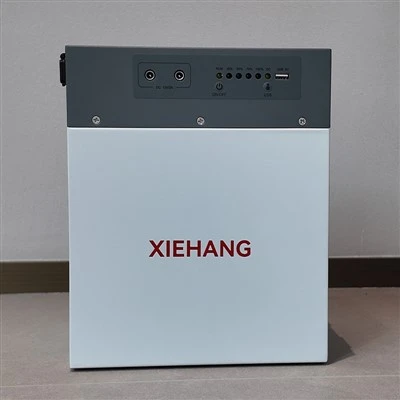
First, let’s set the scene. When most people talk about home energy, they’re referring to electricity. That’s the power that runs their lights, their ovens, their phones, and everything else. The grid sends electricity to their home from power plants, but that’s only one way to get power. All-in-one home energy storage systems don’t just “hold” electricity like a giant battery (though they do use batteries)—they integrate with every part of a home’s energy setup, so they can pull power from the grid, from solar panels on the roof, or even from a small wind turbine, then store it for whenever it’s needed. The “all-in-one” part is key here: instead of buying separate inverters, chargers, and batteries, one system does it all, so there’s less to install, less to maintain, and less room for error.
Let’s start with the core component: the battery bank. This is the part people picture when they think of energy storage, and for good reason. Most all-in-one systems use lithium-ion batteries, the same kind that power phones, laptops, and electric cars, but scaled up to power a home. These batteries are designed to hold a large amount of electricity in a small, safe space, which is why they’re the industry standard for residential use today.
But how do lithium-ion batteries actually store energy? To understand that, you have to get a tiny look inside the battery cell. Each lithium-ion cell has three main parts: a positive electrode (called the cathode, usually made of materials like lithium iron phosphate, or LFP, which is common in home energy systems because it’s safer and lasts longer than other types), a negative electrode (the anode, almost always graphite), and an electrolyte, a liquid or gel that sits between the two.
When the battery is charging, a chemical reaction happens. Lithium ions (positively charged particles) from the cathode break free, move through the electrolyte, and stick to the anode. When the battery is discharging—meaning it’s sending power to your home—the reaction reverses: the lithium ions move back to the cathode, and that flow of ions creates an electric current that can be used to power your appliances. It’s a cycle that can repeat thousands of times, which is why these batteries have a long lifespan—most all-in-one systems last 10 to 15 years with proper use, way longer than the battery in your phone.
But here’s the thing: batteries store direct current (DC) electricity, and almost everything in your home uses alternating current (AC) electricity. That’s a big problem. If you tried to plug your TV or fridge into a lithium-ion battery, it wouldn’t work, because the current is the wrong type. That’s where the next key part of the all-in-one system comes in: the built-in inverter. Unlike older systems that needed a separate, bulky inverter, all-in-one systems have this inverter built right in, so it’s one less piece of equipment to install.
The inverter’s job is simple: it converts DC electricity from the battery into AC electricity that your home can use. But it does a lot more than that. It also connects the system to the grid, so you can pull power from the grid to charge your batteries when rates are low, or send extra power from your batteries back to the grid to earn credits (that’s called net metering, something many utility companies offer). It also manages the flow of power throughout your home, deciding when to send power from the grid, when to send power from the batteries, and when to keep the batteries charged for later use.
Let’s walk through a real-day example to make this concrete. Imagine a typical sunny Saturday in the spring. You have solar panels on your roof, so during the afternoon, they’re producing way more electricity than your home is using (you’re out running errands, so the only thing using power is a small fan in the attic). The solar panels send that extra electricity to your all-in-one system. First, the system checks if there’s any way to use that power right now—maybe your well pump needs a boost, or you’re running the dishwasher. If not, the excess power goes to charge the battery bank. The inverter converts the solar DC power into AC, then the system sends that AC power to the battery’s charger, which converts it back to DC to store in the lithium-ion cells. That’s how you get “free” power from the sun for later use.
Now, fast-forward to 7 p.m. The sun has gone down, so your solar panels aren’t producing anything. It’s dinner time: you’re using the oven, the microwave, the lights, and the TV all at once. Your normal grid power would handle that, but wait—tonight, the local utility has high demand, so electricity rates are triple the usual cost. Your all-in-one system kicks in: it sends the stored DC power from the batteries through the built-in inverter, converts it back to AC, and powers your home’s appliances. You don’t have to pay those high peak rates, and you’re using clean, solar-generated power that you already paid to store.
Another example: a storm is coming, and the utility has issued a blackout warning. Your all-in-one system’s smart monitoring feature picks up a grid outage and automatically switches to backup mode in less than a second. No flicker, no pause, no disruption to your internet, your fridge, or your medical devices. That’s because the system is constantly checking the grid’s status 24/7, so it never takes long to switch over.
Wait, but what about charging the system when there’s no sun? That’s where the grid connection comes in. If your battery is low and you haven’t used solar, the system can pull power from the grid during off-peak hours—usually late at night, when electricity rates are much lower—to charge your batteries. That’s a huge money-saver for homeowners, because you’re buying power when it’s cheap and using it when it’s expensive, instead of always buying power at the highest rate.
Of course, storing energy safely is a top priority, and that’s another reason all-in-one systems are so popular. The built-in battery management system (BMS) is like the brain of the battery bank. It monitors every cell in the battery, checking things like temperature, voltage, and how much charge each cell has. If a cell gets too hot, or if it’s charging too fast or discharging too slow, the BMS adjusts to prevent damage, overheating, or even fire. That’s why lithium iron phosphate (LFP) batteries are so common in these systems—they have a higher thermal stability than older battery chemistries, meaning they’re much less likely to catch fire or overheat, even in extreme temperatures.
You might be wondering: what about the size of the system? How much can it store? All-in-one systems come in different sizes, so you can pick one that fits your home’s needs. A small system might store 5 kilowatt-hours (kWh) of energy, enough to power a few essentials like lights and a fridge for a few hours. A larger system, like the ones most families use, stores 10 to 15 kWh, enough to power most of a home’s appliances for a full day, or keep critical systems running for multiple days during an outage. And because they’re all-in-one, they take up a fraction of the space that separate batteries, inverters, and chargers would take—most systems are small enough to install in a garage, a utility closet, or even outside on a wall, if you don’t have indoor space.
I’ve been working with these systems for years, and I’ve seen how they change people’s lives. I remember a customer last year who lived in a rural area where outages happen at least 10 times a year, often for days at a time. Before they got their all-in-one system, they’d have to run a noisy, gas-powered generator for hours every outage, spending hundreds of dollars on gas and worrying about carbon monoxide fumes. Now, their system stores enough solar energy to power their entire home for three days, and it kicks in automatically when the grid goes down. They haven’t used a generator once since they installed it.
Another customer, a young family in the suburbs, was tired of their energy bills going up 10% every year. They have a small system paired with rooftop solar, and now they only pay about $50 a year in utility fees, instead of $200 a month. They use the stored power during peak hours, and they sell any extra power they generate back to the grid in the summer. For them, it’s not just about outages—it’s about taking control of their energy costs.
But it’s not just about the individual homeowner. All-in-one home energy storage systems play a big role in the broader shift to clean energy. Solar and wind are intermittent power sources—they only produce energy when the sun is shining or the wind is blowing. Energy storage systems store that excess energy and make it available when it’s needed, so we can rely less on fossil fuel power plants that run on demand. That’s a huge part of reducing carbon emissions and building a more sustainable energy grid for everyone.

If you’re considering getting an all-in-one home energy storage system, it’s important to work with a supplier you can trust. Not all systems are the same—some use lower-quality batteries that don’t last as long, or have cheap inverters that break down after a few years. That’s why, when you’re ready, reach out to our team to learn more about how our systems work, what size is right for your home, and how we can help you install it. We offer free consultations, transparent pricing, and support every step of the way, from the initial quote to maintenance for the life of your system. Whether you’re worried about outages, high energy bills, or reducing your carbon footprint, an all-in-one energy storage system is a smart investment that pays off for years. Don’t wait to take control of your home’s energy—contact our team today to start the process.
C&I Energy Storage References:
- US Energy Information Administration. (2023). Residential Energy Storage Trends in the United States.
- International Energy Agency. (2022). Home Energy Storage Systems: Technology and Market Overview.
- Lithium Iron Phosphate Batteries: Safety and Performance Characteristics. National Renewable Energy Laboratory. (2021).
- Grid-Connected Residential Energy Storage: Benefits and Operations. Institute of Electrical and Electronics Engineers. (2022).
Zhejiang Xiehang New Energy Equipment Co., Ltd.
As one of the most professional all in one home energy storage system manufacturers and suppliers in China, our products have good reputation in the market. Please erst assured to wholesale custom made all in one home energy storage system from our factory. If you have any enquiry about cooperation, please feel free to email us.
Address: No.5 Hechen Road, Zhouwangmiao Town, Haining, Jiaxing City, Zhejiang Province, China
E-mail: dan.wu@xiehang.net
WebSite: https://www.shineonpower.com/
