Let me start with a question I get every single day from customers—especially those who work in signage, custom parts, and even small business owners testing new products: Can a UV flatbed printer actually print on metal? As a supplier who’s been in this game for 8 years, I’ve seen so much misinformation out there, and I hear way too many people writing off metal as too tricky, too expensive, or just impossible for their printers. So today, I’m breaking this down straight—no jargon, no confusing tech specs, just the real deal on what’s possible, how it works, and why metal is actually one of the best materials you can print on with our machines. UV Flatbed Printer
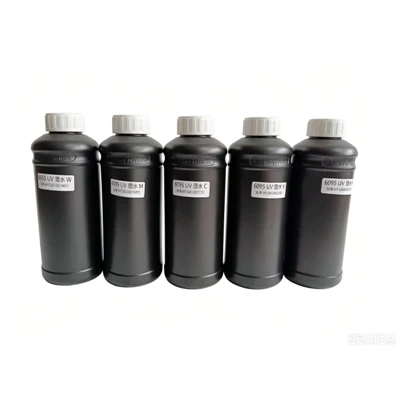
First off, let’s clear up the basics: UV flatbed printers aren’t your old inkjet printers you use at home. Those use water-based ink that just sits on paper, smudges if you touch it, and dissolves if it gets wet. UV flatbeds? They use UV-curable ink—ink that’s not just sitting on the surface, but cures (dries completely, hardens) when hit with UV light. That’s the game-changer. Metal is a weird material, right? It’s super smooth, sometimes oily, and doesn’t absorb ink like fabric or paper. Old school printers would just smear or peel off metal, but UV ink locks down on metal’s surface if you prep it right. That’s the secret sauce no one talks about enough.
I’ve seen people print on everything from aluminum signage to stainless steel tool tags, brass gift items, even copper for custom circuit prototypes—all with UV flatbeds. The key here is understanding that not all metal is the same, and not all UV printers are built for it. Our machines, for example, have adjustable height beds and specific nozzles that can handle rigid, flat materials up to 2 inches thick. That means you can print on thin aluminum sheets, thick steel plates, and everything in between—no problem.
Wait, let’s get to the prep part because this is where a lot of people mess up. You can’t just take a raw aluminum sheet, stick it under a UV printer, and hit print. Metal has a natural oxide layer (that’s the dull, sometimes gray coating you see on bare metal) or sometimes a thin oil film from manufacturing. If you skip prep, the ink will peel off after a week or two. So what do we tell customers to do? First, give the metal a quick wipe with isopropyl alcohol to get rid of any oils or dust. Then, for really smooth metals like polished stainless steel or aluminum, use a primer coating—specifically a UV primer, not a regular paint. The primer creates a tiny, slightly rough layer for the ink to grip onto. Once that primer dries (it cures in like 10 seconds under the UV lamp), you’re good to print. It sounds like extra work, but once you nail it, the results are insane—way more durable than vinyl stickers or screen prints on metal.
Let me give you a real example from a customer of mine last month. They own a small sign shop, and they were tired of ordering pre-printed metal signs because they were too expensive and the colors would fade after a year. They bought one of our mid-range UV flatbeds, started printing on 0.5mm aluminum sheets, and now they’re offering custom metal signs for half the price of their old supplier. They told me last week that a customer brought back a sign they printed 6 months ago, left it out in the rain the whole time, and the ink didn’t smudge, fade, or peel. That’s the power of UV ink on metal.
Now, what about different metals? Let’s break down the common ones people ask about:
Aluminum: This is the easiest one to work with. It’s lightweight, affordable, and the oxide layer sticks great to UV primer. We have tons of customers printing aluminum for trade show displays, name tags, and outdoor signage—this is their go-to.
Stainless Steel: A little trickier because it’s super smooth and doesn’t form an oxide layer as easily. But with the right primer (a stainless-specific UV primer), it works perfectly. I’ve seen people print on stainless steel for custom kitchen backsplashes, appliance decals, and even jewelry tags. The finish is sleek, too—if you use a glossy UV ink, it looks like the design is etched right into the metal, not just stuck on.
Brass/Copper: These are a bit more temperamental because they tarnish, but prep is simple. Just wipe them down with a metal cleaner, add a primer, and you’re good. A customer of ours makes custom brass dog tags, and printing directly on the metal means no more peeling labels—tags last forever, even through washing.
Wait, what about thin vs. thick metal? Our printers handle both. Thin metal sheets (like 0.25mm aluminum) work just fine—you can even print on metal cans if you have a custom jig for small round objects. Thicker metal, like 1/4 inch steel for industrial parts, is totally doable too. As long as the bed is flat (which all our machines are calibrated to within a thousandth of an inch) and your printer’s height adjustment can reach, you’re set.
Now, let’s talk about myths. I hear this all the time: “UV printers can only print on soft materials like vinyl or wood.” No, that’s wrong. UV printers work on any rigid, flat material that can fit on the bed—including metal, glass, acrylic, even ceramic. Another myth: “Printing on metal is way too expensive.” Sure, if you’re buying a top-of-the-line industrial printer, it’s an investment. But our mid-range models are affordable for small businesses, and the cost per print is way lower than outsourcing metal printing. You can do it in-house, which means faster turnaround times and more profit per job.
Is there any metal you can’t print on? I’d say avoid extremely textured metal, like cast iron with deep pores. The ink can pool in the pores and not cure evenly. But if you stick to smooth or slightly brushed metal, you’re golden. Also, never print on metal that’s warped—our flatbeds need perfectly flat material, so if your metal is bent, you’ll need to flatten it first, or use a jig for curved surfaces.
Let’s get into the quality part because that’s what matters most. When you print on metal with a UV flatbed, you get crisp, vibrant colors. The UV ink cures 100%—no tackiness, no smell once it’s done. It’s scratch-resistant, water-resistant, and UV-resistant, so outdoor designs won’t fade for 3-5 years (sometimes longer if you use a clear top coat). Compare that to screen printing on metal, which can crack if the metal bends, or vinyl stickers, which peel off in a year. For custom projects, this is unbeatable.
I also have to mention customization. If you need to print a single one-off piece, like a custom metal gift or a prototype part, UV flatbeds are perfect. No setup costs, no minimum order quantities. A lot of our customers use this for small batch jobs that wouldn’t make sense for screen printing. For example, a designer might want a custom metal book cover—they can design it on their computer, load a metal sheet into the printer, and have it done in 15 minutes.
Now, let’s address the elephant in the room: should you do this? If you’re a sign maker, a custom gift shop, a manufacturer of parts, or anyone who needs durable, custom metal products, yes. Even if you’re a hobbyist testing out a new idea, our smaller entry-level UV printers are built for that too. You don’t need a ton of space, either—most of our machines fit in a 10×10 room, so they work for small garages or shop spaces.
Wait, what about troubleshooting? Let’s say your ink is peeling. First, check your prep: did you clean the metal enough? Is the primer the right type for your metal? If you used a general primer, switching to a metal-specific one usually fixes it. If the ink is smudging, make sure your UV lamps are working—sometimes lamps wear out after 1000 hours, and they don’t cure the ink all the way. That’s an easy fix, just replace the lamps. We send a lamp replacement guide with every machine, so you don’t have to guess.
Another common question: can I print white ink on metal? Yes! White UV ink is super popular for metal. If you’re printing on a dark metal, white ink acts as a base so your colored designs pop. For light metal, you can use white ink for highlights or to make colors more vibrant. Our printers can handle white ink without clogging, which is a big deal—some cheaper printers struggle with white ink, but our nozzles are designed to keep it flowing smoothly.
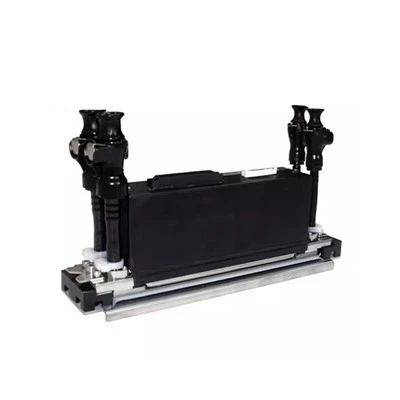
Let me wrap this up. At the end of the day, a UV flatbed printer can absolutely print on metal—you just need the right machine, the right prep, and a little know-how. It’s not as complicated as it sounds, and the benefits (durability, customization, cost savings) are way worth it. If you’re curious about trying this for your business, or you want to see a demo of our printers printing on metal, don’t hesitate to reach out. We can walk you through every step, help you pick the right machine for your needs, and answer any questions you have about prep, materials, or pricing. This is one of the most versatile ways to expand your product line, and I promise you’ll be amazed at what you can create.
UV Printer References:
- UV-Curable Ink Technology for Direct-to-Substrate Printing, Journal of Imaging Science and Technology, 2021
- Surface Preparation Guidelines for Direct-to-Metal Printing, Sign Industry Association Technical Bulletin, 2022
- Durability Testing of UV-Cured Inks on Rigid Substrates, International Journal of Digital Printing Applications, 2020
- Metal Substrate Compatibility Guide for UV Flatbed Printers, Printer Manufacturer Association, 2023
Shenzhen ZYH Digital Technology Co., Ltd.
As one of the most professional uv flatbed printer manufacturers and suppliers in China, we have world-leading production equipment and strong manufacturing capabilities. Please feel free to wholesale durable uv flatbed printer at competitive price from our factory.
Address: Niuzai Park, Xinlian Community, Longcheng Street, Longgang District, Shenzhen City, China.
E-mail: sheena@zyh-group.com
WebSite: https://www.uvprinter-zyh.com/
