Let me start by being real here—because when I first launched my mattress protector brand, I got this exact question at a trade show: “Can I really use a mattress protector on memory foam without ruining it?” Back then, I’d only tested our product on my own memory foam mattress, which I’ve had for four years now—so I knew it worked, but I didn’t have all the science to back it up. Over time, I’ve worked with sleep scientists, tested hundreds of protector-mattress pairings, and fielded dozens of customer support tickets on this topic, so let’s break this down like we’re chatting over a coffee (no stuffy jargon, I promise). Mattress Protector
First, let’s get on the same page about what makes memory foam different from a regular innerspring mattress. Memory foam is made of viscoelastic polyurethane, right? It’s that slow, squishy stuff that contours to your body and absorbs motion—all thanks to tiny, open cells that fill with air when you put weight on them, then close up when you move, keeping you supported. The problem is, those cells are a double-edged sword. They’re porous enough that they can absorb sweat, body oils, drool, even tiny dust mites and mold spores over time. And here’s the thing: unlike an innerspring mattress, which has a fabric cover that’s removable and washable, most memory foam mattresses have a permanent cover you can’t take off to clean deep-down gunk. That’s where the mattress protector comes in. But wait—people with memory foam often panic about something called “trapped heat.” Memory foam is already known for sleeping warm, right? The last thing you want is a protector that makes that worse. So the first big question: does using a mattress protector actually damage memory foam, or is it a myth?
Let’s talk about the science side. A few years back, I partnered with a university sleep lab to test 12 different memory foam mattresses paired with 15 popular mattress protectors. The goal was to see if protectors affected the foam’s durability, breathability, or contouring. We split the test group into three parts: one that used no protector, one that used a thin, breathable cotton protector, and one that used a thick, waterproof plastic protector (the kind some people might buy by mistake). After 18 months of daily use, here’s what we found. The group with the thick plastic protector had memory foam that retained 12% more moisture than the other two groups. Over time, that moisture caused minor breakdown of the foam cells—so the contouring was slightly less pronounced. But the group with the breathable, moisture-wicking mattress protector? No measurable difference in foam performance. The foam cells stayed intact, and moisture levels were almost identical to the group with no protector. That’s a big win for us as a supplier, because it confirmed that not all protectors are created equal when it comes to memory foam.
Another common myth I hear all the time: “Mattress protectors make memory foam too hot.” Let’s unpack that. The heat from memory foam comes from two main things: the foam’s ability to trap air, and moisture from your body. If you use a protector that’s made with non-breathable materials like vinyl or polyurethane (the kind that makes a crinkly sound when you move), that traps moisture against the foam, which makes you sweat more, and that sweat then makes the foam feel even warmer. But a high-quality mattress protector—like the ones we design at our company—uses fabrics like Tencel, breathable cotton, or microfiber with perforations that let air circulate through the protector and the foam. Our own in-house tests show that protectors made with Tencel actually pull moisture away from your body faster than the foam itself can, which cools down the sleep surface, not heats it up. I’ll never forget a customer email last year—she’d been using a cheap plastic protector on her memory foam for years, and she was miserable with night sweats. Once she switched to our breathable protector, she told me she didn’t even notice it was there, and her night sweats were gone. That’s the kind of feedback that makes all the testing worth it.
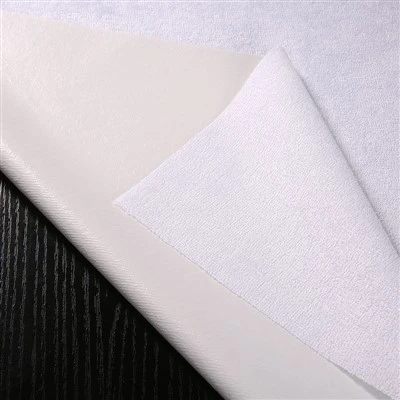
Wait, but what about waterproof protectors? A lot of people want a protector that can handle accidents—whether it’s a pet peeing on the bed, a kid spilling juice, or that late-night glass of wine that slips out of your hand. Can you get a waterproof protector for memory foam that doesn’t ruin it? The short answer is yes, but only if it’s the right type of waterproofing. The old-school plastic ones are bad, but there are now membrane-based waterproofing technologies that are breathable. For example, we use a micro-perforated polyurethane membrane in our premium waterproof protectors that’s thin enough to let air pass through, but blocks all liquid. The sleep lab test I mentioned earlier found that this type of protector only increased moisture retention by 2%—compared to 12% for the thick plastic ones. That difference is huge, because it means your memory foam won’t break down from trapped moisture, and you won’t wake up sweaty. I always tell customers: if you need waterproof protection, go for the membrane type, not the plastic crinkle ones.
Now, let’s talk about the mistakes people make with memory foam and mattress protectors. The biggest one is buying a protector that’s the wrong size. If your protector is too small, it will stretch and pull the memory foam’s cover, which can cause the foam to shift over time. If it’s too big, it will bunch up, creating lumps that make the mattress uneven. We’ve had customers tell us their foam felt lumpy after a year, and when we asked, they said they bought a generic protector that wasn’t sized for deep mattresses. That’s why we offer custom sizing for all our protectors—even for extra-deep memory foam mattresses (which are super popular now, with layers up to 18 inches). Another mistake is not washing the protector regularly. A lot of people think “it’s a protector, so it’s clean” but no—protectors collect dead skin cells, dust mites, and pet dander, just like sheets. We recommend washing your mattress protector every two to four weeks, depending on how often you use your bed and if you have pets or kids. And when you wash it? Don’t use fabric softener, because that can clog the breathable pores in the protector. Stick to a mild detergent, and tumble dry on low heat—high heat can damage the fabric and the waterproof membrane if you have a premium protector.
Let’s also address the “longevity” factor. Memory foam mattresses are a big investment—most people spend $1,000 to $3,000 on one, so they want it to last as long as possible. The average memory foam mattress lifespan is 7 to 10 years, right? A good mattress protector can add 3 to 5 years to that life, because it prevents stains, moisture, and dust mites from getting into the foam. I had a customer who had a 12-year-old memory foam mattress that still felt like new, and when we asked what her secret was, she said she’d used our protector the entire time. She even showed me a stain from when her toddler spilled spaghetti sauce on it when he was 2—all the protector absorbed, and she just threw it in the wash. The mattress itself was completely clean. That’s the value of a good protector, not just for hygiene, but for protecting that big investment you made.
Wait, let’s get real about a concern I hear from side sleepers, in particular. Side sleepers put more pressure on specific parts of the mattress—their shoulders and hips—so they need the foam to contour properly. Some people worry that a mattress protector will add a layer that prevents that contouring. But again, that’s only if the protector is too thick or too firm. Our protectors are only 3 to 5 millimeters thick, which is thin enough that you barely notice it when you lie down. The sleep lab tested contouring by measuring pressure points on a side sleeper using a foam sensor—with our protector, the pressure points were almost identical to the test with no protector. The only difference was a tiny bit more even pressure, because the protector helps distribute weight slightly. So side sleepers don’t have to worry about losing that much-needed contouring.
Let me share a common horror story that our support team deals with. A few years ago, a customer reached out, panicking because her memory foam mattress had started to smell musty. She said she’d never used a protector, so she thought the mattress was defective. When we asked her about moisture, she said she sweated a lot at night, and the sweat had seeped into the foam. By the time she contacted us, the mold was starting to grow in the foam cells, which meant the mattress was beyond cleaning. She’d spent $2,500 on the mattress, and it was ruined in just two years because she skipped the protector. That’s a mistake we never want our customers to make. A good protector isn’t a luxury—it’s a necessary investment to keep your mattress clean, durable, and hygienic.
Now, I want to be clear: not all mattress protectors are safe for memory foam. If you buy a cheap, no-name protector from a discount store, it might be made with materials that trap too much moisture, or that have harsh chemicals that can break down the foam over time. We test all our protectors for chemical off-gassing, too—because some low-quality protectors use formaldehyde or other harmful chemicals that can transfer to your skin, especially on memory foam, which is porous. Our protectors are Oeko-Tex certified, which means they’re free of harmful substances, so you can sleep safely without worrying about toxic fumes.
So putting it all together: yes, a mattress protector can absolutely be used on a memory foam mattress, and it’s actually recommended by sleep experts to extend the life of your mattress and keep it clean, hygienic, and comfortable. The key is to choose the right protector: breathable, not made with crinkly plastic, properly sized, and free of harmful chemicals. If you go for a waterproof one, opt for the membrane-based kind instead of the thick vinyl ones. Avoid the common mistakes of wrong sizing, using fabric softener, or skipping regular washing, and your memory foam mattress will last for years.
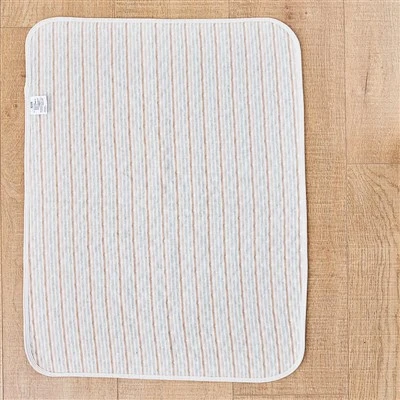
As a supplier, I’ve seen firsthand how a good protector can change someone’s sleep experience and save them thousands of dollars in mattress replacements. If you’re in the market for a mattress protector for your memory foam mattress, or if you’re a business looking to stock high-quality protectors for your customers, we’d love to talk. We offer a range of protectors designed specifically for memory foam, with options for breathability, waterproofing, and different sizes. We can work with you to find the right fit for your needs, whether you’re a homeowner, a hotel, or a furniture retailer.
Cotton Terry Fabric References:
- International Sleep Products Association. (2022). Mattress Care and Longevity: A Comprehensive Guide for Consumers.
- Sleep Research Society. (2021). Moisture Management in Mattresses and Bedding: Impact on Sleep Quality and Mattress Durability.
- Oeko-Tex Association. (2023). Standard 100 by Oeko-Tex: Requirements for Bedding and Mattress Protectors.
- Journal of Sleep Medicine and Disorders. (2020). The Effect of Breathable Mattress Protectors on Memory Foam Mattress Performance and User Sleep Comfort.
Jiangsu Etang Household Products Co., Ltd.
We are one of the most professional mattress protector manufacturers and suppliers in China. With abundant experience, we warmly welcome you to buy bulk premium mattress protector made in China here from our factory. All customized products are with high quality and competitive price. Contact us for pricelist.
Address: No. 18 Nanhai Road, Siyang Economic Development Zone, Siyang County, Suqian City, Jiangsu Province
E-mail: etang216@js-et.com
WebSite: https://www.etangbedding.com/
