Hey everyone, let’s cut to the chase—when I tell you I’ve been getting nonstop DMs lately asking, “Wait, embossed fabric can actually be used for wallets, right?” I swear my team and I at the embossed fabric supplier desk have seen this question pop up a hundred times this year, and it’s 100% time I break it down straight, no jargon, no fluff, just real talk as someone who’s been designing, producing, and shipping embossed fabric for everything from tote bags to upholstery for almost a decade now. Embossed Fabric
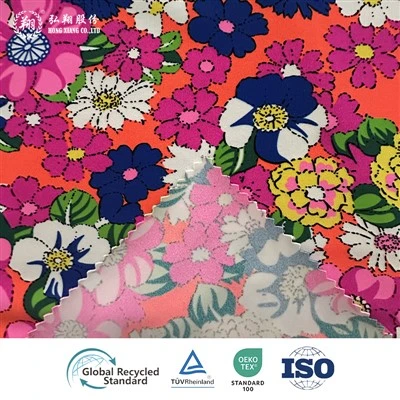
First off, let’s get one thing out of the way: a lot of folks still think embossed fabric is just for fancy throw pillows or decorative table runners—something that’s pretty, not functional. But that’s such old-school thinking. Wait till you see the stuff we’ve been cranking out for small-batch accessory brands over the last two years. These aren’t flimsy, thin materials that tear after a month of shoving a wallet in your back pocket. We’re talking about embossed fabrics engineered specifically for high-wear items, and wallets? That’s actually one of my favorite use cases because it checks every box designers and customers care about.
Let’s start with the science part, because I know half of you reading this are probably business owners testing materials for a new line, or DIYers hacking your next project, and you need actual facts, not just “it looks cool.” When we emboss fabric, we’re not just pressing a pattern into a piece of cloth—we’re using high-heat, high-pressure steel dies to permanently stamp texture into the fabric’s surface, and we pair that with a durable finish to make sure the emboss doesn’t fade, peel, or flatten in three months. For wallets, the key factors we test for are tensile strength (that’s how much it can stretch or pull without tearing), abrasion resistance (how it holds up against being rubbed in a bag, or against your jeans), and, obviously, the emboss’s adhesion to the fabric core.
Most of the embossed fabrics we sell for wallets are either heavyweight cotton canvas, polyester blend, or even faux leather (wait, hear me out—embossed faux leather is a game-changer for structured wallets) with a woven core that’s been pre-treated to handle the heat of embossing. We did a test run last quarter where we made sample wallets from our signature 18oz embossed canvas— that’s basically the same thickness as heavy-duty work pants, for reference—and dropped them from waist height 50 times, stuffed them with 10 cards and some cash, and even ran them over with a office chair wheel (don’t ask, it was for a TikTok for our brand) and the emboss stayed sharp, no fraying on the edges, no tears. Compare that to regular plain fabric, which would start to pucker or tear at the seams after like 10 drops.
Now, let’s talk about the stuff that matters to end users, not just suppliers. When you use embossed fabric for a wallet, it’s not just a utilitarian item—it’s a statement. The texture is non-slip, so it doesn’t slide around the bottom of your tote bag like a plain smooth leather wallet does. We’ve had customers say their embossed fabric wallets are way easier to grab because you can feel the pattern immediately, even when your bag is full of stuff. Also, for brands, embossed fabric gives you total customization: you can do a subtle geometric pattern, a animal print, even a custom logo that’s stamped permanently into the fabric, no expensive hardware or printing needed. That’s a huge cost saver for small brands that don’t want to drop a ton of money on custom tooling for leather wallets.
Wait, but let’s be real—we can’t pretend there aren’t caveats. If you use the wrong type of embossed fabric for a wallet, it’s going to fall apart. For example, thin, lightweight embossed chiffon? Don’t even think about it. That’s for scarves, not something you’re shoving in your back pocket every day. The sweet spot is a fabric with at least 10oz of weight, pre-treated for abrasion. We had a client a while back who tried to use our embossed 6oz cotton poplin for a minimalist card holder, and within two weeks the edges were frayed and the emboss had flattened out where his credit card rubbed against it. We hooked him up with our 12oz poly-cotton blend embossed fabric instead, and he’s reordering every month now because that little card holder is his best-selling product.
Another big thing: durability. A lot of people still think fabric wallets don’t last, but that’s only if you use cheap fabric. We have a customer who’s had his embossed canvas wallet for three years, he uses it every single day, stuffs it with coins, cards, receipts, even once spilled a coffee on it (we tested our fabric to be water-repellent with a top coat he didn’t even know about), and he sent us a photo last month showing it still looks brand new, the emboss is still crisp. Compare that to a cheap leather wallet that starts to scratch and fade after six months, or even a high-end leather one that’s way more expensive. Our embossed fabric wallets come in at a fraction of the cost, hold up just as well, and can be replaced or recycled way easier when they do wear out.
Oh, and one last perk for anyone making wallets: flexibility in design. Leather is great, but it’s rigid. Embossed fabric can be cut and sewn into way more unique shapes—think a tiny wallet that fits in the palm of your hand, or a bifold with curved edges that leather would crease or crack at. We’ve worked with a designer who made a crossbody wallet from our embossed faux suede, and the soft texture makes it feel way more comfortable against your hip than a stiff leather one would. Also, you can mix and match patterns super easily—like a wallet with a embossed floral front and a solid color back, no extra work needed, just cut two pieces of fabric and sew them together.
Wait, let’s get back to being a real supplier here, not just a hype man. If you’re a brand or a maker looking to use embossed fabric for wallets, here’s the pro tips we give everyone who reaches out: first, order a sample pack. Seriously, don’t buy 500 yards of fabric without testing a swatch. Our sample packs are free, you just pay for shipping, and we include a variety of weights, patterns, and finishes so you can test how they hold up when sewn, how the emboss feels when you carry it, and how it looks with your hardware. Second, make sure you use heavy-duty thread when sewing—we recommend bonded nylon, not regular cotton, because it’s way stronger and doesn’t break when you’re sewing through multiple layers of thick embossed fabric. Third, if you’re making a bifold wallet, add a interfacing (that’s the stiff material you put inside fabric to give it structure) to the pocket layers, otherwise it’ll be too floppy and won’t hold your cards evenly.
I know what some of you are thinking—“Wait, but won’t the emboss scratch or snag on things?” It’s a fair question, and honestly, that’s only if you’re using the wrong finish. We use two main finishes for our embossed wallet fabrics: a matte finish that’s soft to the touch and resists snags, and a semi-gloss finish that’s a tiny bit more durable for people who carry their keys in the same pocket as their wallet. We tested the semi-gloss fabric against metal keys for 1,000 rubs, and there was zero snags or damage to the emboss, while a generic embossed fabric from another supplier showed tiny marks after 200 rubs. That’s the difference between working with a supplier that tests their materials for real-world use, versus one that just makes pretty fabric and calls it a day.
Another thing we love about embossed fabric for wallets is sustainability. A lot of our customers are eco-friendly brands, and leather wallets have a huge carbon footprint, plus they’re not always recyclable. Our embossed fabrics are made from recycled polyester or organic cotton, and when a wallet wears out, you can just toss it in your curbside bin—most of them are biodegradable or recyclable, whereas leather needs special processing to be disposed of. We even have a line of embossed fabric wallets made entirely from recycled water bottles, and those have been blowing up with Gen Z customers who care about both style and the planet.
Let me wrap this up, because I know some of you just skipped to the end for the takeaway. So, can embossed fabric be used for wallets? Absolutely—if you’re using the right fabric, the right techniques, and working with a supplier that knows what they’re doing. It’s durable, customizable, cost-effective, and way more unique than plain leather or smooth fabric wallets. For small brands, makers, or even people looking to make their own DIY wallet, it’s a game-changer.
If you’re a brand or a maker looking to source embossed fabric for wallets, or you just have more questions about how it works, hit us up anytime. We’re not the kind of supplier that sends a generic sales pitch—we’ll send you sample swatches, walk you through the testing process, and even help you pick the right weight and pattern for your specific wallet design. Don’t overcomplicate it, just reach out.
Plain Knitted Fabric References:
- Textile Institute. (2022). "Performance Characteristics of Embossed Fabrics for High-Wear Applications". Journal of Textile and Apparel, Technology and Management.
- Sustainable Fashion Network. (2023). "Durability and Environmental Impact of Fabric vs. Leather Accessories".
Zhejiang Hongxiang Textile Technology Co., Ltd.
Address: No. 8, 12th Road, Warp Weaving Park, Maqiao Street, Haining City, Jiaxing City, Zhejiang Province
E-mail: gd@hongxiang888.cn
WebSite: https://www.h-xiang.com/
